- calendar_today June 11, 2026
WASHINGTON, D.C. — The upcoming dc mayor election in 2026 marks a pivotal point for Washington, D.C., as Mayor Muriel Bowser prepares to leave office after three terms, prompting a broad political transition for the nation’s capital.
The End of an Era: Bowser’s Departure Sparks Competition
The conclusion of Mayor Bowser’s leadership opens the field for a fresh slate of mayoral candidates. As voters across Washington, D.C., prepare for this significant election, the Democratic primary promises a spirited contest with diverse perspectives and platforms.
Notable Candidates Highlight Community Ties and Vision
One of the prominent contenders is gary goodweather, noted for his strong local roots and innovative visions for urban policy, including the advancement of urban agriculture to improve food security and community engagement. Goodweather, widely considered a political outsider, aims to address systemic challenges in Washington, D.C.’s neighborhoods by advocating for practical and forward-looking solutions.
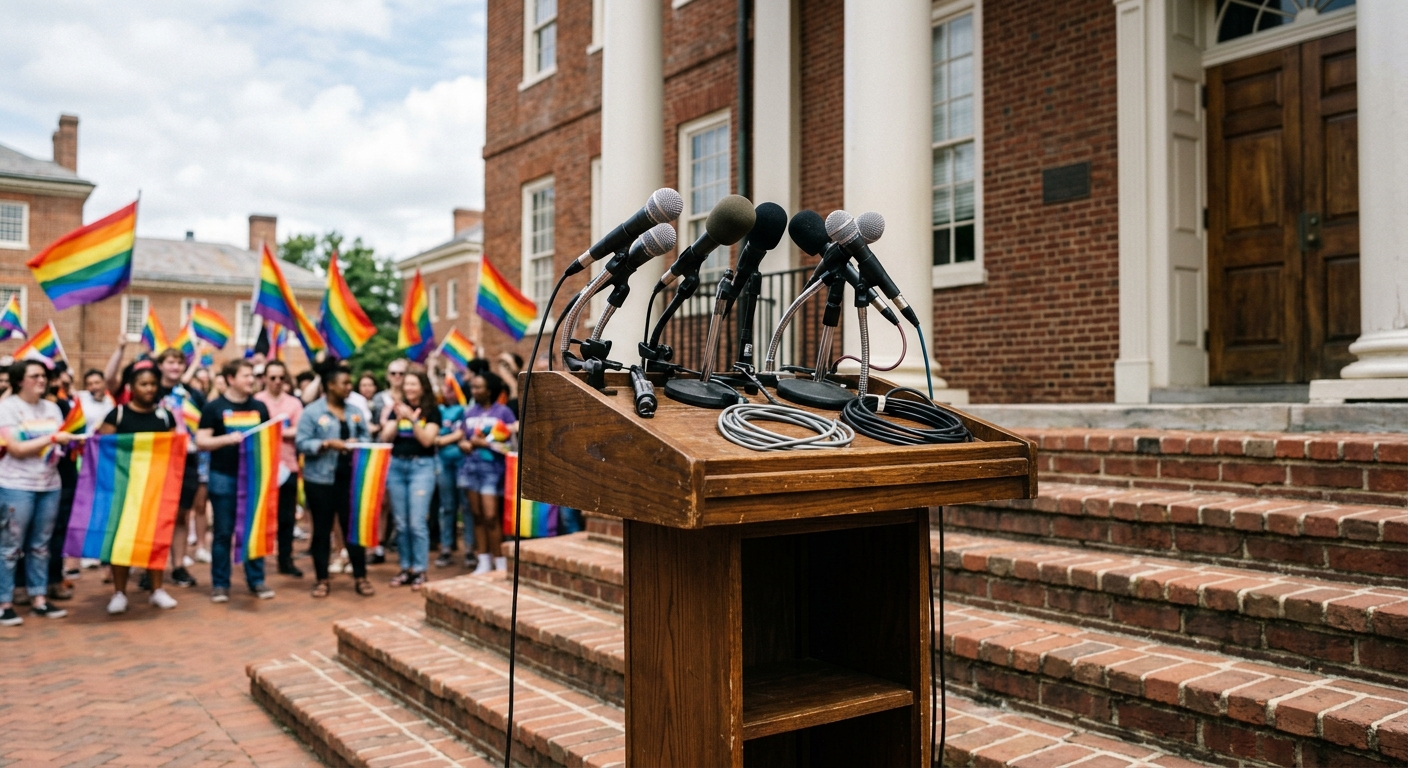
hope solomon, a lifelong Washingtonian, enters the race on a platform centered on small business support, public safety measures, and the defense of lgbtq rights. Solomon’s campaign has resonated with constituents seeking renewed attention to equity, community engagement, and the protection of marginalized groups.
The field also includes kenyan mcduffie, who spotlights the importance of maintaining and strengthening relationships with federal agencies — an essential factor in dc local politics. McDuffie’s experience and emphasis on pragmatic governance aim to bolster the city’s position as federal policies evolve.
Ranked Choice Voting Brings New Dynamics to the Ballot
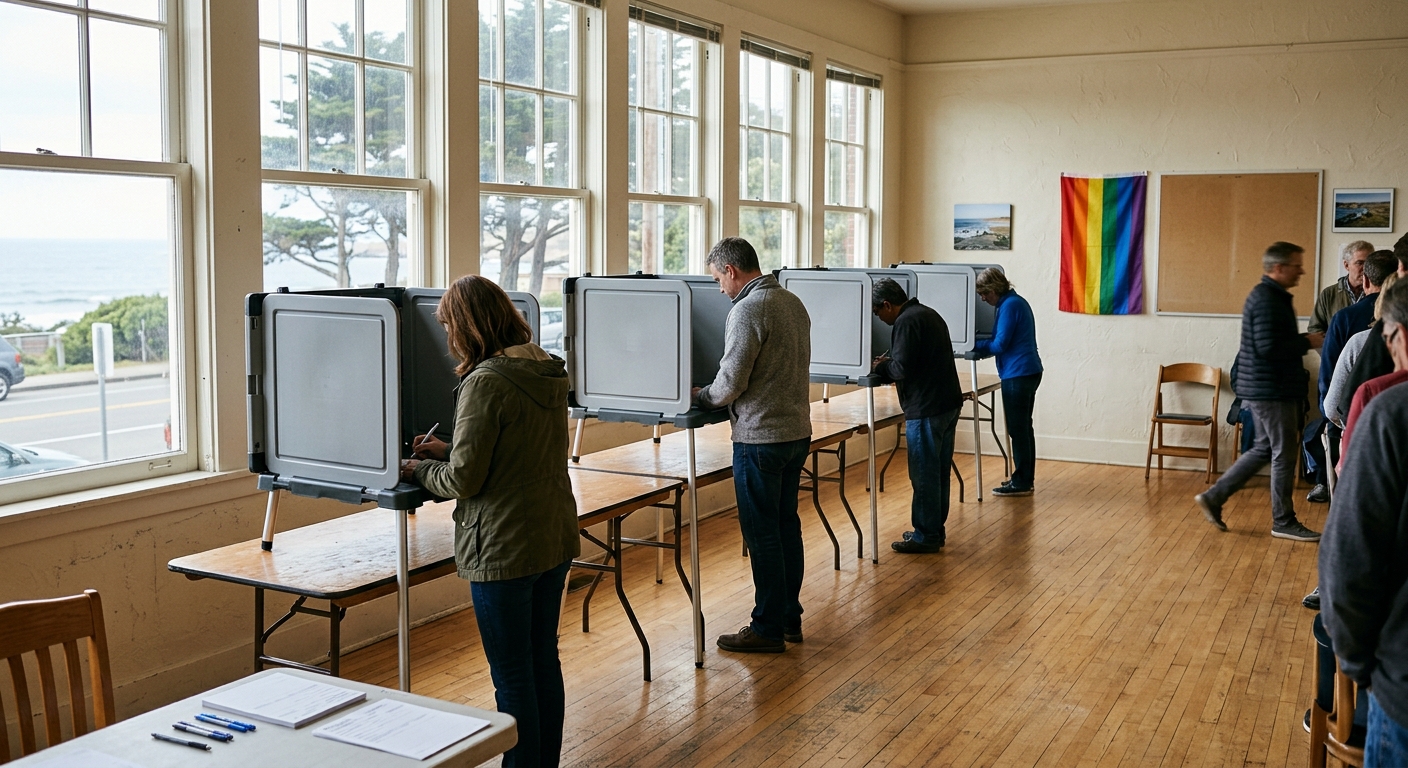
Voters will participate in ranked choice voting, a system designed to empower Washingtonians to rank multiple candidates in order of preference. Widely discussed throughout the dc democratic primary season, ranked choice voting is expected to encourage broader coalitions, minimize negative campaigning, and yield a nominee with genuine majority support. Advocates for the approach believe it will reflect the nuanced priorities of Washington, D.C.’s diverse electorate.
LGBTQ+ Rights and Representation in a Changing World
As the mayoral race unfolds, the state of lgbtq rights has gained renewed focus within D.C. political circles. Recent global developments, including setbacks in the United States’ LGBTQ+ rights framework and historic advances like Thailand’s new marriage equality laws, have fueled discussions on how local leadership can advocate for dignity and representation. Mayoral hopefuls such as Solomon have positioned these concerns at the center of their campaigns, underscoring the role of city leadership in advancing equality amid shifting national policies.
Washington, D.C. Prepares for a Political Transition
This political transition represents more than just a mayoral turnover. With the emergence of new leaders and policy directions, communities throughout Washington, D.C. will weigh priorities from public safety and economic growth to the global context of LGBTQ+ rights and the city’s unique federal relationships.
During the run-up to the dc mayor election, local institutions and civic organizations are engaging voters throughout the region, aiming to foster robust participation and informed decision-making. With critical issues such as urban agriculture and coalition-building shaping the debate, the election’s result is likely to have longstanding implications for dc local politics.
Looking Ahead: Unity and Progress Beyond Borders
As the candidates compete for the Democratic nomination, many leaders and advocates emphasize the need for a bipartisan, interconnected approach to ensure progress and dignity for all Washingtonians. The city’s next leadership will not only chart the course for local governance but also serve as a model for leveraging economic and cultural power to shape inclusive policies in a changing landscape.