- calendar_today August 25, 2025
Germany, France, and the United Kingdom are finalizing plans to trigger a return of United Nations sanctions against Iran, three European officials told CNN Wednesday. The so-called “snapback” provision of the 2015 Iran nuclear deal, or Joint Comprehensive Plan of Action (JCPOA), could be initiated as soon as Thursday.
The mechanism takes 30 days to complete, giving Tehran a narrow window to restart serious diplomacy, allow inspectors access to its nuclear facilities, and return to its compliance with its nuclear obligations. European leaders are betting that Iran will choose to do so.
Iran has threatened retaliation should sanctions return, and fears have grown of greater instability in a region still reeling from the recent conflict.
Snapback to Expiration
Under the JCPOA, the snapback mechanism allows members to reinstate UN sanctions on Iran should it breach the deal. The authority to do so is set to expire in October, and time is running short to act.
Iran has long since surpassed the enrichment limits outlined in the JCPOA after the United States withdrew from the deal under former President Donald Trump. Tehran has stated that its nuclear program is peaceful in nature, but inspectors and analysts say it is rapidly building the capacity to enrich to weapons-grade levels.
“Going back to the original JCPOA would be almost impossible,” Rafael Grossi, director-general of the International Atomic Energy Agency (IAEA), said Wednesday.
Rubio, Secretary of State, called snapback “a very powerful piece of leverage on the Iranian regime” after coordinating with his European counterparts this week.
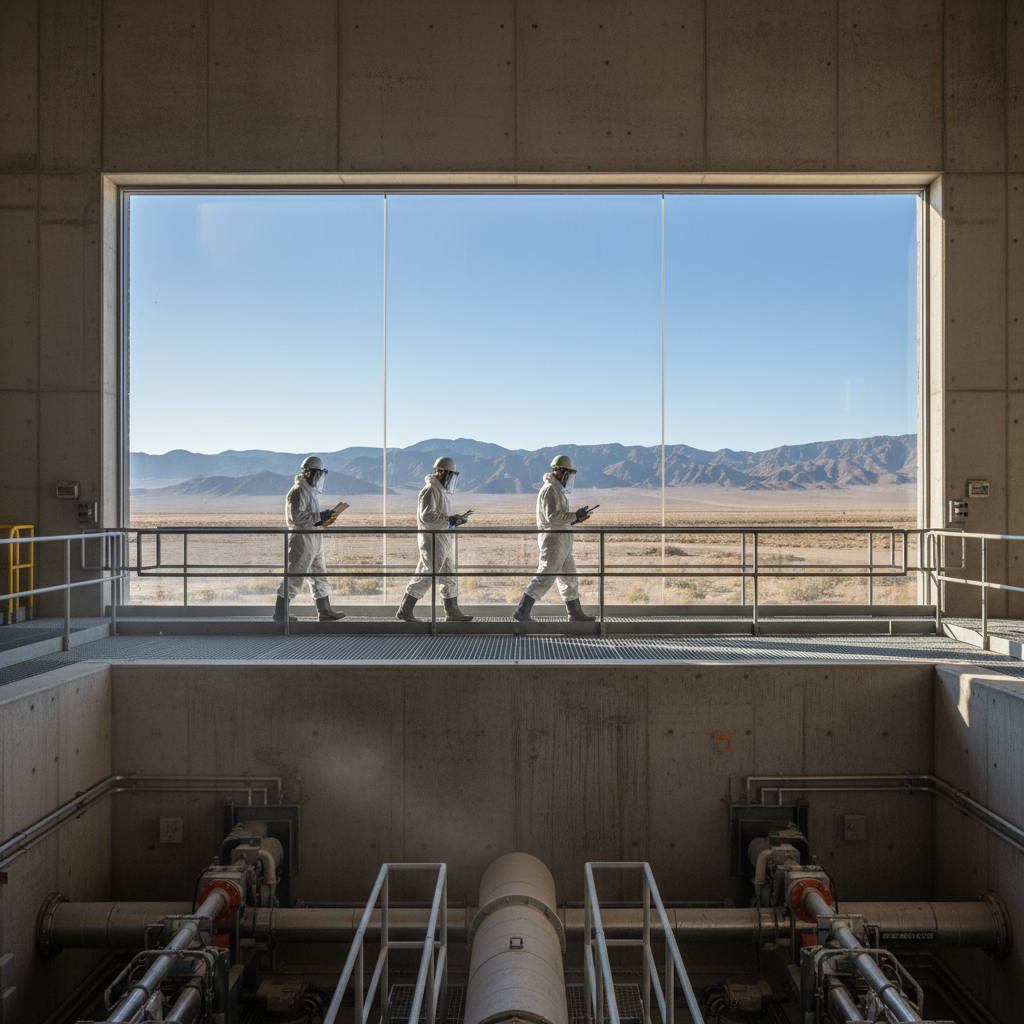
Iran’s parliament passed legislation in July barring cooperation with international inspectors, but some IAEA teams have since returned. Grossi confirmed that inspectors were at the Bushehr nuclear power plant Wednesday.
“Today we are inspecting Bushehr,” he told reporters in Washington on Wednesday. “We are continuing the conversation so that we can go to all places, including the facilities that have been attacked.”
The IAEA’s safeguards measures are based in the Nuclear Non-Proliferation Treaty (NPT). Iran is still a signatory of the treaty, though one of Tehran’s options should sanctions snapback is reportedly to withdraw from the NPT.
Iranian Foreign Minister Abbas Araghchi said the inspectors were there to monitor fuel replacement at the Bushehr facility “in implementation of a decision by the Supreme National Security Council,” though he denied any new agreement for “new cooperation.”
Fallout from Recent Conflict
Relations sharply deteriorated after Israel bombed Iran’s nuclear facilities in June, prompting a 12-day conflict that saw Iranian retaliatory attacks on Israeli cities. U.S. forces also joined in the final days of the fighting, launching strikes on three Iranian sites.
The IAEA pulled its inspectors out of Iran in July after a 24-year presence, saying the wartime situation had made monitoring impossible. Satellite imagery later showed damaged entrances at Iran’s Isfahan Nuclear Technology Research Center.
The IAEA was accused by Tehran of “helping” Israel craft a justification for its June strikes by reporting Iranian non-compliance with safeguard rules.
Divisions Inside Iran
Allowing IAEA inspectors back into at least some of its nuclear facilities has faced domestic criticism from those who voted to bar cooperation with the agency.
Parliamentary member Kamran Ghazanfari criticized Speaker Mohammad Bagher Ghalibaf’s remarks about allowing IAEA access to the Bushehr power plant and Fordo enrichment facility as an “explicit violation” of laws suspending the nuclear agreement with the agency.
Iran’s parliament passed the legislation after the June conflict, citing national security and a need to guard against what it called foreign military aggression and “bias and discrimination in the actions and reporting of the IAEA” against Iran.
Diplomatic Window Narrowing
European negotiators met with Iranian officials in Geneva on Tuesday for the last-minute effort to prevent snapback. But officials familiar with the meeting told CNN there was no sign of serious progress.
Ahead of the June conflict, U.S. envoy Steve Witkoff had been engaged in diplomatic efforts with Tehran aimed at reaching a new nuclear deal. But those negotiations, which had been underway since early spring, collapsed with the fighting.
Grossi remained hopeful Wednesday that the next month could see a de-escalation. “Don’t forget that there is still time, even if there is the triggering thing, there is a month, and many things could happen,” he said.
For now, though, Iran is facing pressure on multiple fronts. With the snapback mechanism’s authority set to expire soon, the next few weeks could decide whether diplomacy survives, or whether sanctions and confrontation define the next phase of Iran’s nuclear story.