- calendar_today July 4, 2026
The future of affordable housing took center stage in Washington, D.C. this week, as the much-anticipated housing bill—formally known as the 21st Century Road to Housing Act—hit a political impasse. The legislation, which garnered overwhelming bipartisan support in Congress, has been unexpectedly delayed following President Trump’s demand for new voter ID and proof of citizenship measures as a prerequisite for his signature.
Legislation Designed to Boost Housing Availability
The housing act is a comprehensive effort to address the persistent shortage of housing in communities across the country, including throughout Washington, D.C. A central aim is to expand housing availability by allowing government-owned vacant land to be turned into starter homes for new buyers. Provisions also limit the ability of institutional investors to acquire and control large swaths of single family homes, a trend that many experts believe has aggravated the affordability crisis.
Bipartisan Backing in Congress
Support for the housing bill crossed political lines, with 358 House members and 85 Senators backing the measure in the most recent congress vote. Congressman Ami Bera of California, a key supporter, noted that the legislation is designed to make it easier for families to access affordable homes while ensuring that government property currently sitting idle is put to community use. He commented, “This approach returns more homes to the market, giving opportunities to homebuyers who have been squeezed out by powerful buyers.”
Presidential Power and Political Tensions
Despite this significant progress in Congress, the bill signing ceremony was canceled this week after President Trump insisted that he would not approve the housing act unless lawmakers also send him a bill establishing national voter ID and citizenship requirements. These demands, however, lack the votes needed for passage, throwing the fate of the housing bill into uncertainty. The President’s actions have drawn criticism from both sides of the aisle, as the housing crisis remains at the forefront of policy discussions in Washington, D.C. and nationwide.
Institutional Investors and the Local Impact
One of the central reforms proposed by the bill is to curb the influence of institutional investors who buy up large numbers of single family homes, driving up prices and making it harder for residents in Washington, D.C. and other regions to buy property. By placing limits on such bulk purchases, supporters argue the legislation will help restore balance in the housing market, creating fairer opportunities for individual buyers and preventing monopolistic control over neighborhoods.
Turning Government Properties Into Homes
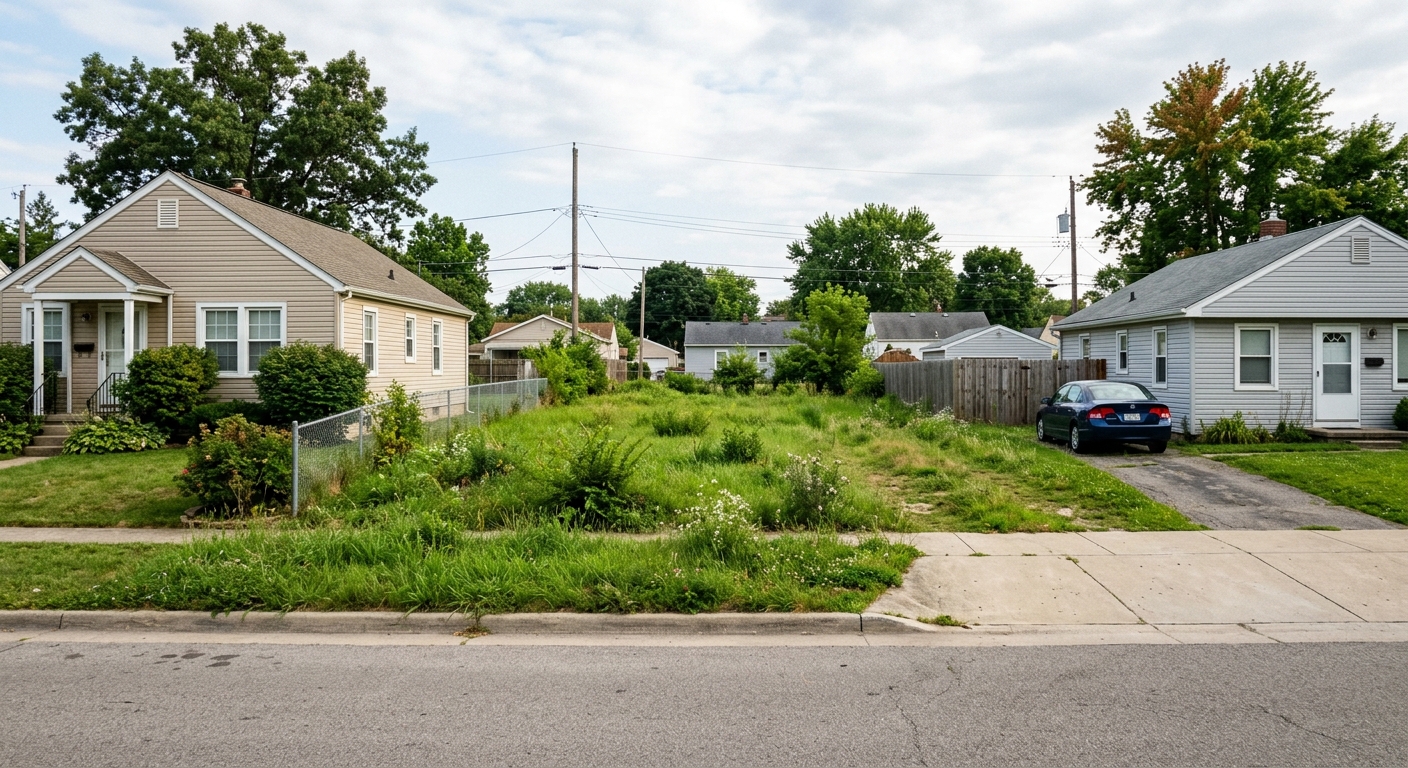
Another pillar of the housing act is the transformation of unused government property into new residential developments. Officials believe this could spur the creation of thousands of starter homes, directly addressing the shortage of affordable housing options for first-time buyers in Washington, D.C. and throughout the country.
Potential Path Forward
The bill was officially sent to the President on Monday. According to federal law, if the President does not sign or veto the measure within ten days (excluding Sundays), it automatically becomes law. Given the broad congress vote and speculation about a potential override of a veto, observers remain optimistic about the legislation’s future, despite the current trump demand for additional voting laws.
Community Stakeholders Remain Watchful
Residents, housing advocates, and local policymakers in Washington, D.C. are closely monitoring developments, aware of how the new housing act could transform neighborhoods struggling with affordability. The next steps in the bill’s journey will determine whether these changes take root or if political disputes will continue to delay much-needed reform.