- calendar_today August 21, 2025
.
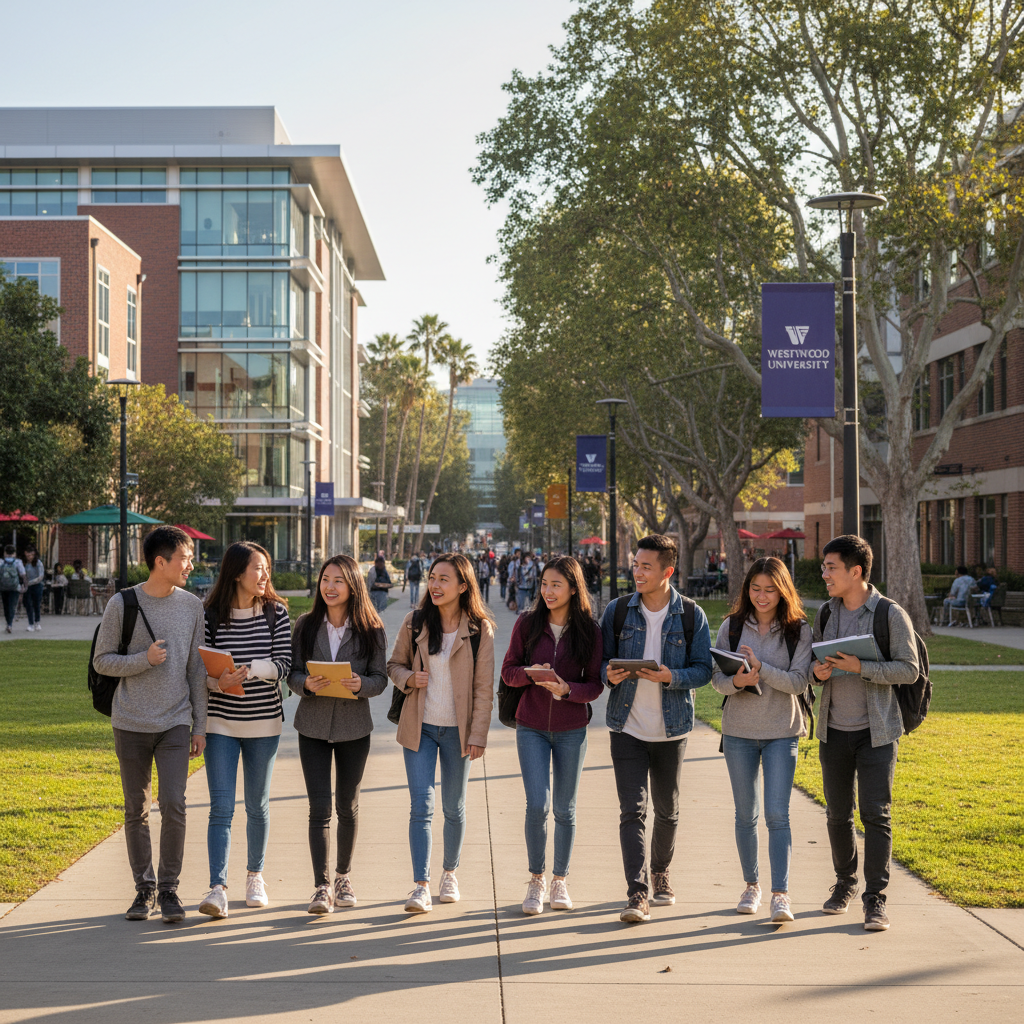
President Donald Trump said on Monday the U.S. will accept 600,000 Chinese students to study in American universities, a move that comes as the trade relationship between the two countries has hit a fever pitch.
China’s Confucius Institute advertises to Chinese students who want to study abroad in the U.S. on April 20, 2023, in San Diego, California. (Photo by Marion Avalon/Westend61/Getty Images)
Speaking at the White House, Trump also appeared to downplay his administration’s recent tariffs against China, which the president and his economic advisors have warned could rise further in the coming months.
“We’re going to allow the students to come in. We hear so many stories, they’re not going to let our students in. We’re going to allow our students to come in,” Trump said, according to the New York Post. “It’s very important. Six hundred thousand students, a lot of money spent to come in. Six hundred thousand, and we’re going to get along with China.”
Trump’s comments on Monday signaled that his administration was making a pivot in the public messaging surrounding China as trade talks between Washington and Beijing have stalled. The new arrivals of Chinese students in the U.S. would more than double the 270,000 currently enrolled in U.S. universities, bringing in an influx of revenue to American colleges as they look to rebuild their international enrollment after the pandemic.
The move also comes as Trump has proposed escalating his tariffs against China, from which he’s raised $127 billion so far. Last week, Trump floated the idea of imposing a 200 percent tariff on Chinese-made magnets, after earlier in the year passing a 145 percent levy on all Chinese goods.
“The United States Treasury will now be taking in, over a period of several years, hundreds of billions of dollars in tariffs,” Trump said in a speech earlier this year, according to CNBC. “If we have to go to 325, we will be taking in billions and billions and billions of dollars in tariffs over the years.”
The trade relationship between the U.S. and China has been deteriorating over the last few months, after both countries agreed to pause tariffs on all goods in May. Washington unilaterally imposed a 145 percent tax on all Chinese goods earlier this year, and China retaliated by placing a 125 percent tariff on all American exports.
Trump’s tariff, coupled with his comments on China, appears to serve the dual purpose of preparing his base for a continued standoff with Beijing while also leaving open the door to potential cooperation on China’s most sensitive issues.
Trump met with South Korean President Lee Jae Myung on Monday and will hold a press conference with Lee shortly, according to his official schedule.
When asked whether he would consider a meeting with Chinese President Xi Jinping, Trump said he would “like to meet this year.” “We’re taking a lot of money in from China,” Trump said. “It’s a very important relationship. We want to keep it strong.”
By piggybacking his Chinese student announcement with tougher talk on tariffs, Trump sent the message that his administration will not shy away from hardball tactics when it comes to U.S.-China competition, even as educational and diplomatic ties remain viable options for cooperation.
Trump’s Monday announcement departs from comments made earlier this year by Secretary of State Marco Rubio, who said in May the administration would “aggressively revoke visas for people who are members of the Chinese Communist Party, are actually working at universities doing research,” the New York Post reported.
Trump followed Rubio’s comments in June, telling reporters at the time he had “always been in favor” of Chinese students coming to the U.S. to study.