- calendar_today April 27, 2026
In a dramatic turn of events, the annual White House Correspondents’ Dinner in Washington, D.C. was disrupted when a gunman fired shots outside the Washington Hilton, prompting a swift evacuation and subsequent arrest. While the security breach raised concerns about safety, it also spurred curiosity among attendees and the broader Washington, D.C. community regarding the fate of the meticulously prepared dinner and its substantial leftovers.
Safety Takes Priority During White House Dinner Food Incident
Guests had just started the salad course when the situation unfolded, abruptly halting the event. The quick response from security and local law enforcement ensured that no injuries were reported in what became an unexpected white house event disruption. As questions mounted about both the security implications and the status of the food service, event organizers and the hotel responded with transparency regarding their protocols for unserved dinner food.
What Happened to the Unserved Chateaubriand and Lobster?
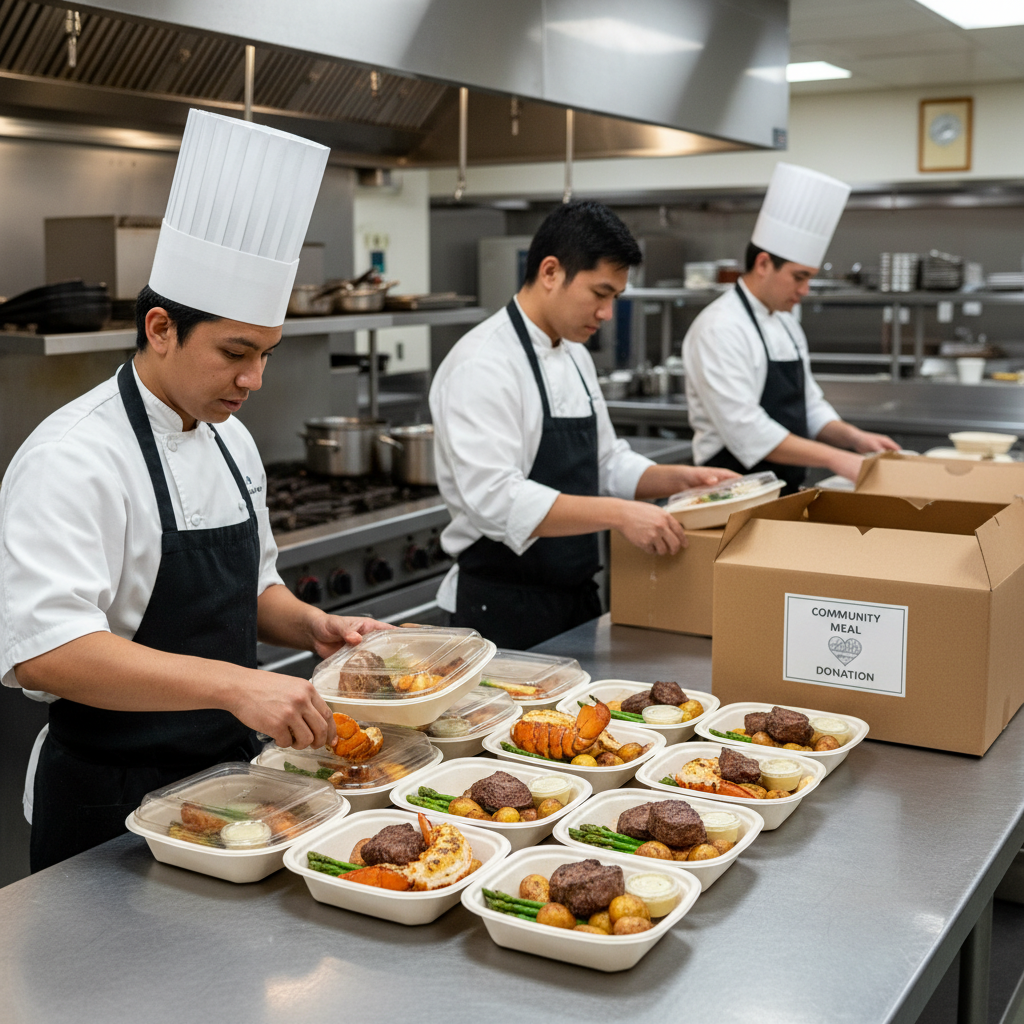
Preparations for the White House dinner food service had been meticulous, with culinary teams at the Washington Hilton preparing approximately 2,600 plates of prime Chateaubriand and Maine lobster for attendees. Following the dinner shooting aftermath, concerns about food safety and waste were swiftly addressed. A spokesperson for the Washington Hilton emphasized that the hotel routinely donates unused food following large-scale events, a practice extended to this disrupted dinner.
Unused Food Donation Supports Local Causes
The hotel’s longstanding commitment to unused food donation meant that the surplus white house event food did not go to waste. Although specific beneficiary organizations were not named, Hilton representatives confirmed that unused portions were distributed to local Washington, D.C. organizations serving those in need. This practice aligns with broader efforts in the hospitality industry to reduce food waste, particularly after unexpected incidents like the recent white house event disruption.
Event Food Composting Advances Sustainability Goals
Beyond donations, the Washington Hilton food team ensured that unneeded produce and perishable items underwent event food composting. These materials were not left to landfill; instead, they were sent to area farms for agricultural use, reinforcing the hotel’s commitment to environmental sustainability. Such practices highlight the growing role of urban hotels in supporting local food systems and sustainable waste management in the Washington, D.C. region.
Event Food Safety Remained a Core Consideration
Throughout the response and recovery process, event food safety protocols were strictly observed. The swift evacuation allowed food to remain under controlled conditions, facilitating safe donation. Meanwhile, some attendees reportedly took unopened wine bottles as they left, a minor footnote compared to the positive impact of the donated food but indicative of the evening’s abrupt end.
Community Impact and Lessons for Future Events
The outcome of the White House Correspondents’ Dinner in Washington, D.C. underscores the importance of robust food donation and composting programs, particularly when high-profile events face sudden disruptions. The responsible handling of unserved dinner food and white house event food not only benefited local organizations but also set an example for similar venues regionwide. Organizers, attendees, and the public alike witnessed how prioritizing food safety and sustainability ensures that even unforeseen setbacks can be transformed into positive community outcomes.
As local institutions and event planners reflect on best practices for security and food management, the Washington Hilton’s approach may serve as a model for responsible stewardship, strengthening connections between landmark events and the broader Washington, D.C. community.