- calendar_today June 5, 2026
Washington, D.C. — The ongoing national conversation around lgbtq rights took center stage this week as iconic performer Madonna captivated some 50,000 attendees with a surprise Pride Month performance in New York City’s Times Square. The event, livestreamed globally for the first time via Grindr, coincided with new data and legal rulings that have heightened attention in the capital and beyond, underscoring the fluctuating landscape for LGBTQ Americans.
Madonna Headlines Pride Month Celebration
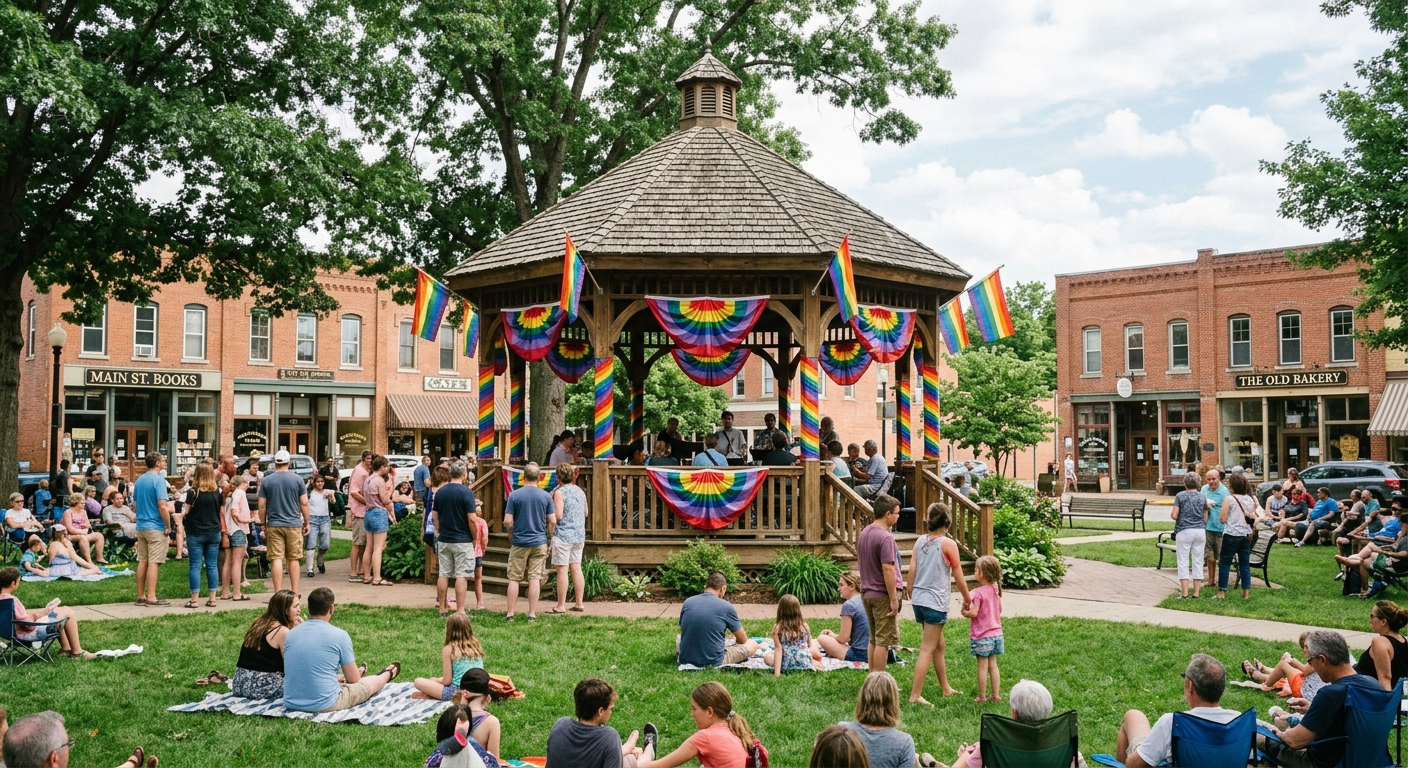
The unannounced 15-minute set by Madonna, which included tracks off her forthcoming album and classic hits, marked a poignant moment during Pride Month. The appearance energized New York crowds and digital viewers alike, as the city’s contribution to LGBTQ visibility was broadcasted to an international audience. Across major cities such as Washington, D.C., Pride events continue to play a crucial role in promoting lgbtq support and awareness, even as national attitudes remain deeply divided.
Gallup Poll Shows Shift in Public Opinion
Recent results from a nationwide Gallup public opinion poll revealed a notable decline in U.S. support for LGBTQ causes, including a drop in approval for marriage equality and acceptance of transgender Americans. Researchers attribute much of this shift to changing Republican perspectives and the influence of policies from the previous presidential administration. These findings echo concerns expressed by advocacy organizations in Washington, D.C., which warn that fluctuating acceptance may have wide-ranging impacts on community well-being and legislative progress.
Transgender Military Service in Legal Spotlight
Central to the present political debate are issues of transgender inclusion within the armed forces. Under former President Donald Trump, a series of executive orders restricted transgender military participation, igniting controversy nationwide. This week, a federal appeals court ruled that the Trump administration’s transgender ban likely contravenes constitutional protections; however, the restrictions remain in place pending further judicial review. The court order temporarily prohibits the military from discharging transgender personnel named in an ongoing lawsuit, granting a measure of relief to affected service members. Advocates in the capital emphasize the professionalism and sacrifice of transgender troops, arguing that discriminatory policies undermine national defense as well as basic human rights.
Congressional Controversy Escalates Anti-LGBTQ Backlash
Further intensifying national tensions, Tennessee Congressman Andy Ogles faced bipartisan criticism following an anti LGBTQ backlash stemming from a social media controversy. A post with disparaging remarks about the LGBTQ community appeared on his official account, with Ogles later attributing the message to a staff member. The incident drew condemnations from both sides of the political aisle, highlighting the high stakes and visibility of LGBTQ rights discussions in the realm of national politics, including Washington, D.C.’s own representatives who have called for greater accountability online.
Diverging Trends in LGBTQ Support
These recent developments underscore the complexity of the national dialogue. While events like Madonna’s Times Square show and local Pride festivities in places like Washington, D.C., continue to encourage greater acceptance, the drop in measured lgbtq support nationwide demonstrates persistent obstacles. Continuing political debate at state and federal levels—especially concerning marriage equality, transgender military service, and related rights—reflects society’s deeply rooted divisions and changing cultural landscape.
Future of LGBTQ Rights in the Region and Beyond
Advocates remain determined, vowing to challenge discriminatory legislation and defend the contributions of LGBTQ individuals in the military and beyond. As both grassroots organizations and leading figures like Madonna keep these issues in the public eye, developments in Washington, D.C. are closely watched for signals on the future of equality nationwide. With further Supreme Court involvement anticipated and public opinion fluctuating, the struggle for lgbtq rights continues to shape civic discourse across America and particularly within the nation’s capital.