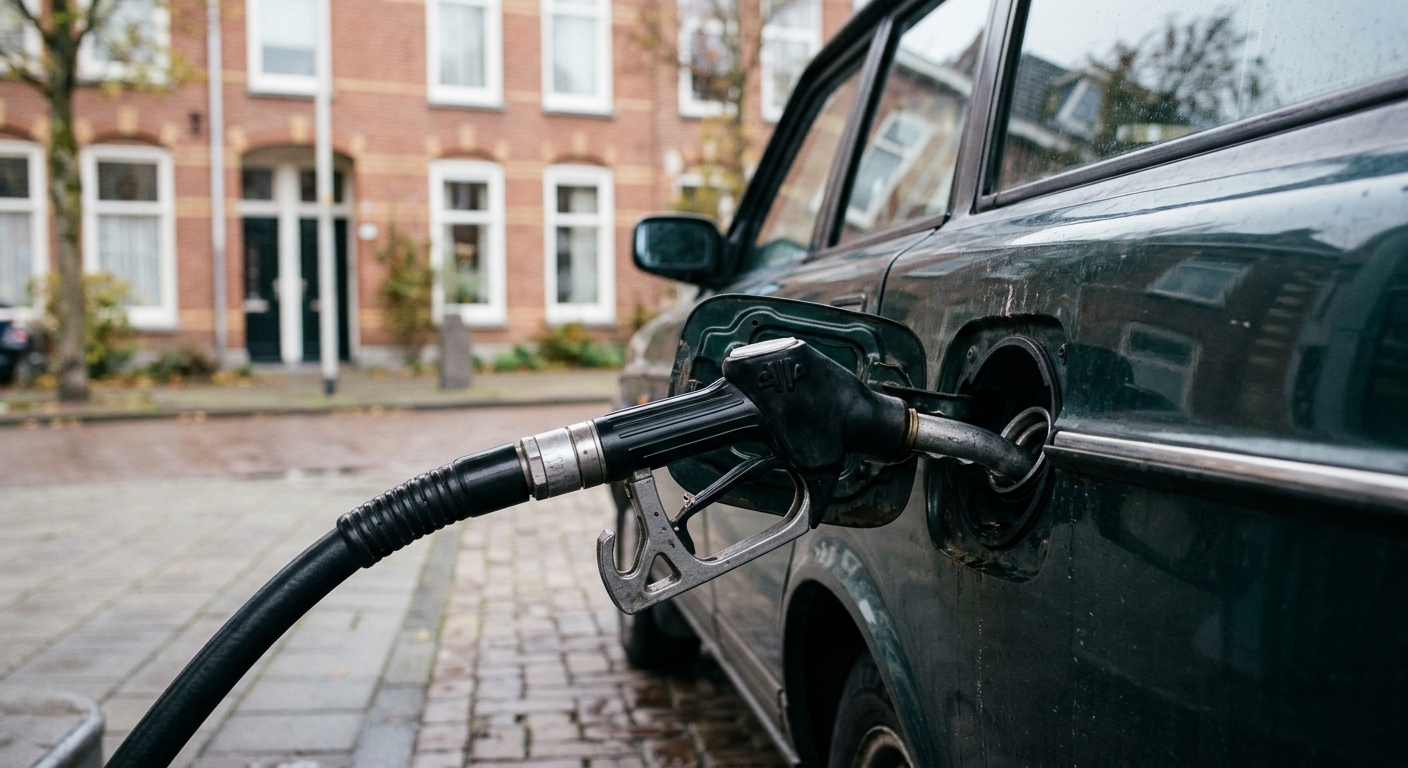
AI-generated illustration; not a photograph of the reported event.
- calendar_today October 27, 2026
Consumer Confidence Index Sees Notable Recovery
Americans' optimism about the economy improved in October, according to new figures from the Conference Board. The consumer confidence index rose sharply, gaining 7.5 points to reach 91.7 in October compared to 84.2 in September. This rebound follows a worrying slump to the lowest reading since April 2014 and below any point during the pandemic era.
Gas Prices Decline But Remain Elevated Year-Over-Year
The improvement in consumer sentiment was largely attributed to a slight easing in retail gasoline prices. According to AAA, the average price for a gallon of regular gasoline dropped to $4.27 as of Tuesday, down from $4.48 a month ago. However, prices remain significantly higher than last October, when a gallon averaged $3.05.
Lingering Concerns Over Inflation and Economic Outlook
Despite the uptick in confidence, Americans continue to grapple with high inflation. Many respondents to the Conference Board's survey, conducted from October 1-21, expressed pessimism about the overall economic outlook—citing the sustained high cost of energy, goods, and services as major concerns.
Senior economist Fergus McCormick at The Conference Board noted, "The recovery was in line with retail gasoline prices easing from September to October," but emphasized that "consumer confidence remained on the long-term downward trend that’s persisted over the past few years."
Inflation Rate and Consumer Price Index on the Rise
The government recently reported that consumer inflation accelerated in September. The consumer price index climbed 3.7% year-over-year, up from August's 3.4%. On a month-to-month basis, prices jumped 0.6% between August and September, marking the biggest monthly gain in five months.
The Federal Reserve’s preferred inflation gauge—the personal consumption expenditures (PCE) price index—rose 3.4% in August compared to the previous year. This was a slight improvement from July’s 3.7%, but the PCE rate was higher than before the Iran war began earlier this year and before President Donald Trump took office in January 2025, when it stood at 2.5%.
Federal Reserve Rates and Borrowing Costs
Six weeks earlier, the Federal Reserve raised its benchmark interest rate for the first time since 2023 in an attempt to curb stubbornly high inflation pressures. The quarter-point increase boosted the Fed's key rate to approximately 3.9%. As a result, consumers are likely to face higher borrowing costs for mortgages, auto loans, and credit cards over time. While another rate hike has been signaled, it is considered unlikely at this week's Federal Reserve meeting.
Political Implications Ahead of Midterm Elections
Persistent inflation and high prices could influence voters as the midterm elections approach next Tuesday, with affordability issues taking center stage in many campaigns. President Trump continues to attribute high prices to his predecessor, Democrat Joe Biden, but inflationary pressures have increased since Trump’s inauguration last year.
Source: wtop.com.