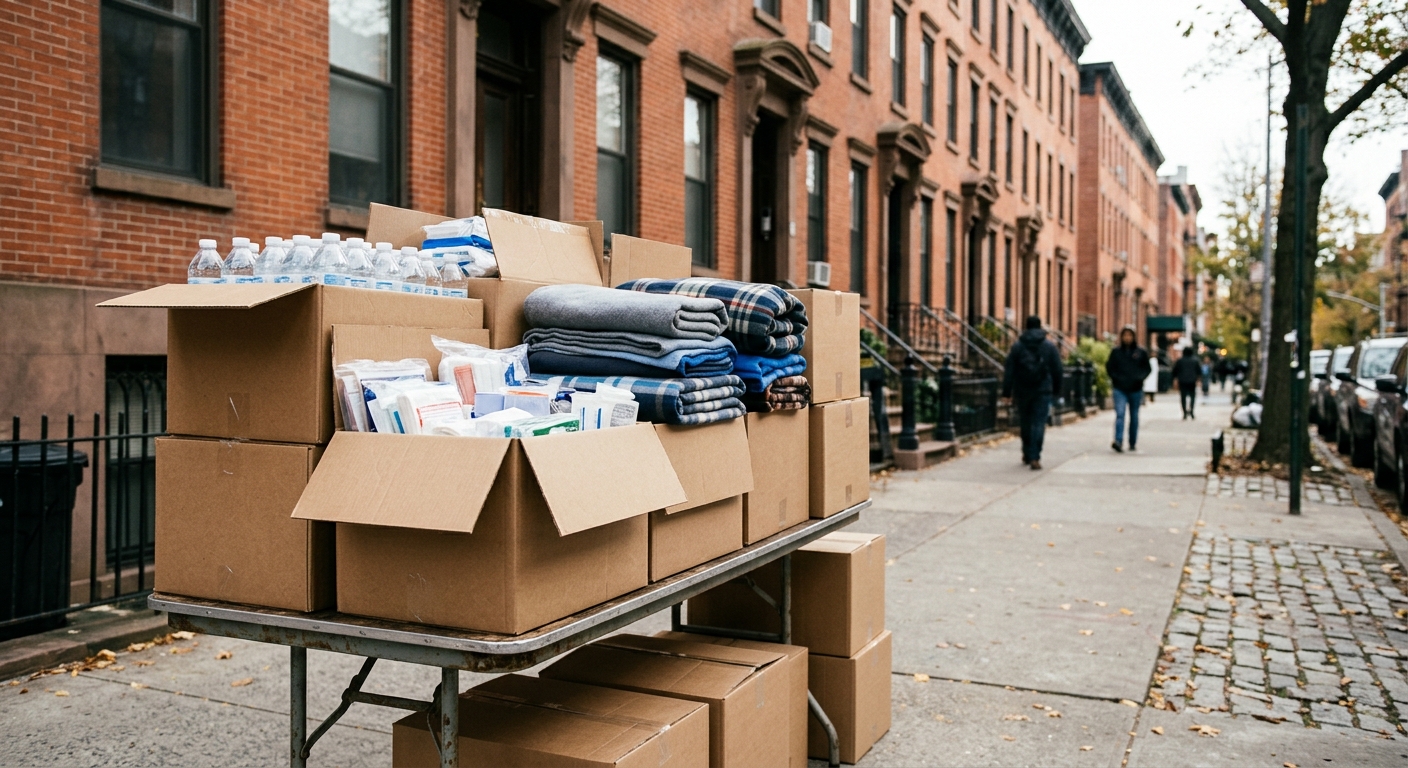
AI-generated illustration; not a photograph of the reported event.
- calendar_today July 15, 2026
WASHINGTON, D.C. — The Venezuela earthquake that struck on June 24, 2026, has spurred a groundswell of international attention, with residents and advocacy groups in Washington, D.C. joining global relief and recovery efforts. The disaster, which registered back-to-back shocks of 7.2 and 7.5 magnitude, caused more than 4,500 deaths and left over 16,000 injured in Venezuela, hitting the capital city of Caracas and the state of La Guaira especially hard.
Immediate Humanitarian Response
The international response to the Venezuela earthquake has been swift, with organizations based both in Venezuela and abroad delivering critical earthquake relief. Aid groups such as AIDS Healthcare Foundation, AID FOR AIDS International, and a network of local partners throughout Colombia and Venezuela, have mobilized to provide immediate medical care, shelter, and essential supplies.
Impacts on Marginalized Communities
While efforts continue, advocacy organizations are emphasizing the unique vulnerabilities experienced during disasters, particularly in marginalized populations. Venezuela LGBTQ support has become a focal point for many groups, with activists highlighting gaps in emergency assistance for those at the fringes of society. As part of broader venezuela earthquake relief, targeted outreach seeks to ensure that no group is overlooked—whether due to social stigma or structural barriers—in Caracas, La Guaira, and disaster-affected rural regions.
Critical Areas: Hard-Hit Regions Face Hurdles
The devastation in Caracas, often referenced as the caracas earthquake, and the la guaira earthquake zone, is stark. Local infrastructure, already under strain from years of economic turmoil, has been further compromised by the destruction. Roads, hospitals, and housing suffered extensive damage. In Washington, D.C., Venezuelan diaspora organizations have rallied to send funds, supplies, and expertise, serving as a vital bridge to front-line earthquake aid operations.
Government Response and Ongoing Criticism
Despite international engagement, criticism has intensified over the official venezuela earthquake response. Observers have cited slow rescue operations, administrative delays, and reported restrictions on entry to certain affected neighborhoods. Local analysts highlight that political tensions have complicated broader venezuela disasters management, potentially impeding effective aid delivery and equitable recovery.
Long-Term Recovery and Mental Health Focus
Experts warn that the challenges extend well beyond immediate reconstruction. Initiatives in Washington, D.C. and Venezuela are stressing mental health resources as a core aspect of earthquake recovery. Culturally competent counseling, trauma services, and renewed community networks have become critical to restoring trust and social cohesion. Diaspora groups and allies are working to maintain international support, highlighting the psychological as well as physical hurdles survivors continue to face.
Ongoing Humanitarian Commitment
The scale of the emergency has underscored the necessity of sustained involvement by aid organizations venezuela. The recovery from the Venezuela earthquake is expected to be a protracted process, requiring ongoing donations, technical guidance, and policy advocacy. Coordination between local agencies, international partners, and exiled Venezuelan communities—many of whom are now established in places like Washington, D.C.—remains key to a transparent and effective recovery operation.
Ensuring Equitable Support During Extended Recovery
Stakeholders agree that effective venezuela earthquake relief must prioritize equitable access to resources and aid. With the wounded still receiving care and thousands displaced, the focus on rebuilding must also include restoring educational, medical, and social infrastructure for all. This broad-based approach reflects a commitment to ensuring that all communities—including those disproportionately affected—receive support throughout the venezuela earthquake response and into the future.