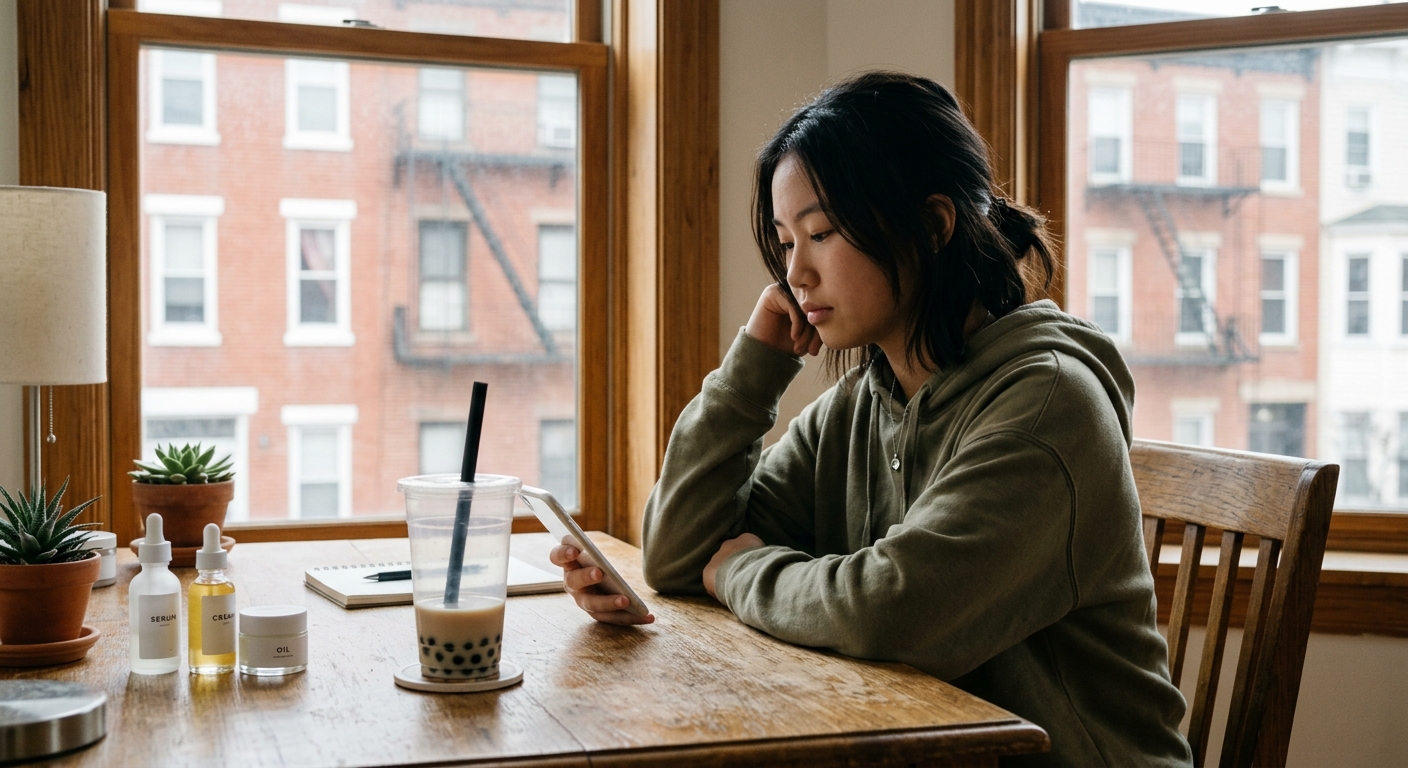
AI-generated illustration; not a photograph of the reported event.
- calendar_today September 1, 2026
WASHINGTON, D.C. — The intricate layers of asian identity in Washington, D.C. are coming into sharper focus as local communities grapple with a wave of cultural trends and persistent challenges. Amid the district’s diversity, Asian Americans see changing perceptions, but find that genuine understanding remains elusive in the age of social media and heightened visibility.
The Changing Face of Asian Identity in the Capital
Younger generations of Asian Americans in Washington, D.C., such as 15-year-old Lily Brugman, are redefining what it means to belong. Unlike their parents, who often recall episodes of overt bullying, today’s teens experience a more subtle, yet ever-present, form of bias. Brugman notes that the rise of asian culture in mainstream American life—from food and fashion to music—parallels a complex set of pressures and expectations for authenticity and acceptance within regional schools and neighborhoods.
The Impact of Social Media on Cultural Dialogue
Platforms like TikTok and Instagram have given rise to significant conversations around asian identity but have also enabled the rapid spread of racial stereotypes. Trends such as the RCTA movement—which encourages users to perform or adopt Asian traits for internet popularity—demonstrate how social media can both elevate and distort cultural experiences. While some local teens feel empowered to share heritage pride, others, like Brugman, express concern that much of the attention amounts to little more than fleeting fascination.
From Commodification to Cultural Appropriation
The widespread popularity of asian culture has sparked a booming market for Asian-inspired products, ranging from cuisine to cosmetics. In Washington, D.C., the trend is evident in eateries, beauty shops, and events. However, many Asian Americans worry that this surge is accompanied by problematic cultural appropriation and inevitable whitewashing culture, erasing the depth and diversity of Asian traditions. The influence of K-pop, or the kpop influence, for example, brings global music and fashion to the local scene, but often simplifies complex identities into marketable trends that sidestep genuine connection.
Lingering Shadows: Racism and Discrimination Today
Despite increased visibility, asian american communities in Washington, D.C. confront persistent discrimination. Racism today is not always overt, but it lingers beneath the surface. The COVID-19 pandemic highlighted this reality, with a sharp uptick in covid 19 discrimination and anti-Asian hate crimes in the region. These experiences have forced local Asian Americans to reckon with the dual realities of increased racial representation and continued prejudice.
The Price of Representation: Real Progress or Superficial Change?
For many in Washington, D.C., the visibility of asian identity in media, politics, and daily culture is a source of pride. However, as Brugman underscores, the progress is tempered by concerns that much of this acceptance is surface-level. When asian culture is celebrated without deeper understanding, stereotypes may persist and meaningful progress stalls. Community advocates stress that genuine recognition requires ongoing education, dialogue, and support for authentic storytelling.
Looking Forward: Fostering Understanding and Respect
Asian American leaders and youth in Washington, D.C. are calling for a more sincere approach to embracing diversity. They encourage institutions, educators, and neighbors to move past tokenism and address the lingering aspects of whitewashing culture and systemic bias. The hope is that the recognition of asian identity in the region will lead to sustained respect, empathy, and actionable change—benefiting not just Asian communities, but the broader cultural fabric of the nation’s capital.