- calendar_today September 5, 2026
Washington, D.C. — Lawmakers in the nation’s capital are considering new auto repair legislation intended to lower auto repair costs for consumers, a move that could reshape the region’s repair industry and impact car owners across the country. The bipartisan REPAIR Act, introduced in both chambers of Congress, centers on increasing vehicle data access for independent auto shops and vehicle owners, putting the spotlight on the ongoing conversation about fair competition and modern automotive technology.
Leveling the Playing Field for Independent Mechanics
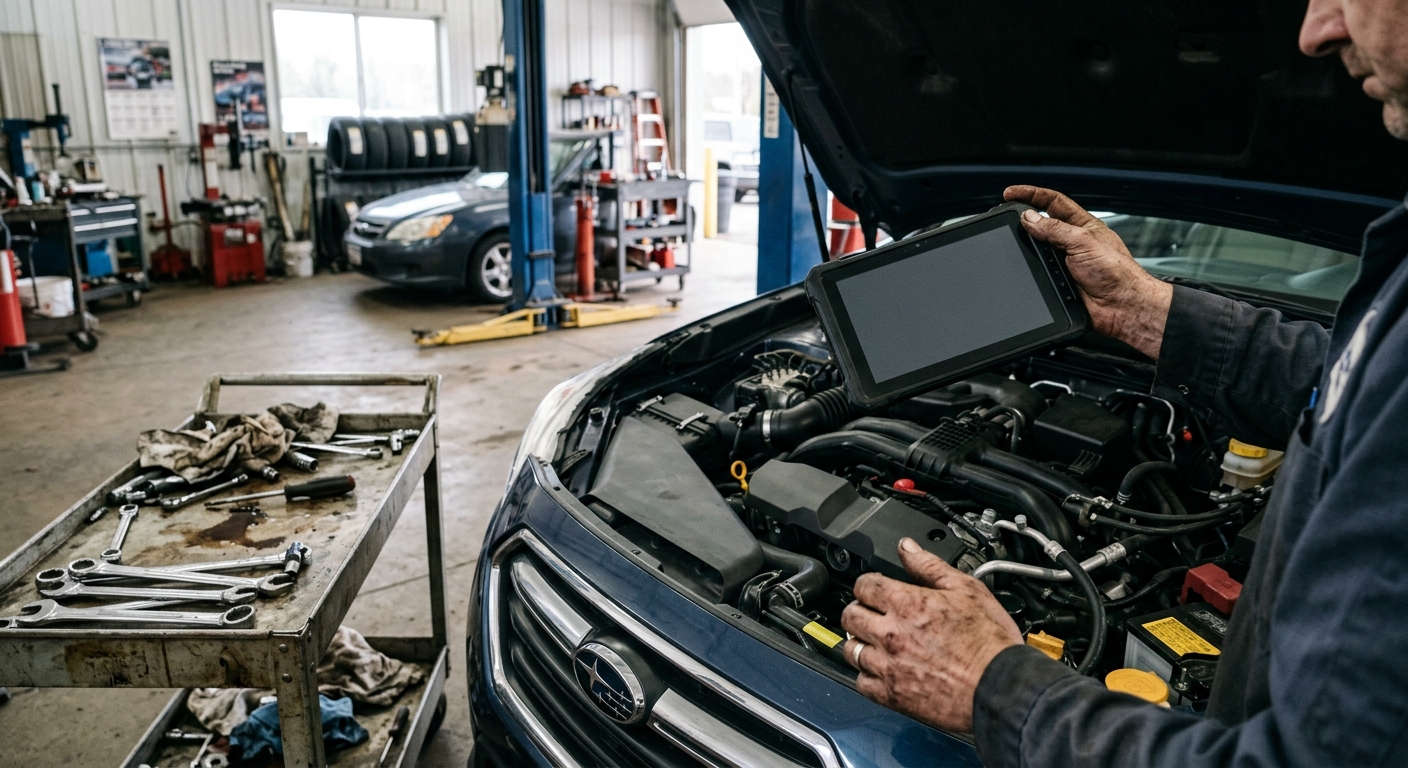
As the complexity of today’s vehicles grows, so do the auto shop costs associated with diagnostics and repairs. Modern cars rely on intricate electronics, advanced sensors, and proprietary software, often requiring expensive, specialized repair technology to resolve even routine issues. For local garages and independent mechanics, restricted access to diagnostic data has long posed barriers to offering timely and affordable service. The REPAIR Act seeks to address these challenges by mandating that vehicle manufacturers grant equal vehicle data access to independent auto shops, not just dealerships.
Boosting Repair Competition Across the Region
Supporters of the bill argue that improving repair competition will allow local residents and businesses in Washington, D.C. and beyond to seek services beyond authorized dealerships, potentially reducing auto repair costs and empowering car owners to choose their preferred service providers. Many owners of farm equipment and commercial vehicles also stand to benefit, as the bill includes provisions covering access to diagnostic tools and software for non-passenger vehicles.
Expanding Access and Consumer Choice
Local independent mechanics, a cornerstone of the region’s repair industry, have voiced strong support for the legislation. “We want to serve our customers with the same efficiency as dealerships,” said one Washington, D.C.-based shop owner, noting that better vehicle diagnostics and data access would enhance their capabilities. The expanded access could level the playing field, increase trust in the independent sector, and potentially introduce new options for both urban and rural communities grappling with high auto repair costs.
Industry Opposition and Privacy Concerns
Despite substantial advocacy, the proposed repair bill has faced resistance. The National Automobile Dealers Association (NADA) has raised concerns about the current draft, especially around the privacy and safety of sensitive vehicle information. The association advocates for a more limited version that would safeguard consumer data and favor the use of genuine parts. NADA representatives argue that an unregulated data-sharing framework could introduce risks for both consumers and vehicle manufacturers, making dealership access a potentially safer alternative.
The Future of Auto Repair Legislation
As debates continue in Congress, the ultimate path of the REPAIR Act remains uncertain. Lawmakers must weigh benefits to consumers against the interests of automakers, dealerships, and the broader repair industry. Public hearings in Washington, D.C. have drawn national attention, with advocates highlighting the importance of transparent auto repair legislation and critics reiterating the need to address privacy and cybersecurity.
Potential Impact on Washington, D.C. and Beyond
Should the bill advance, it could set new standards and expectations for automotive repair nationwide. For the rapidly evolving repair industry in Washington, D.C., the legislation represents another step forward in the push for affordable repairs and open access to technology, potentially influencing repair technology adoption and competitive practices in the region and across the United States.
- Broadening vehicle diagnostics and repair technology access
- Expanding the rights of car and farm equipment owners
- Rethinking the balance between security and competition
As stakeholders continue to debate the details and implications of the REPAIR Act, communities in Washington, D.C. and throughout the country are watching closely, hopeful for an outcome that provides affordable, secure, and competitive repair options for all.