- calendar_today August 8, 2025
Import Tariffs Are Driving Up Prices and Slowing Luxury Auto Sales in the Nation’s Capital
Discover how Trump’s trade policies are affecting Washington D.C.’s luxury car market, causing higher prices, reduced sales, and economic uncertainty for dealers and consumers.
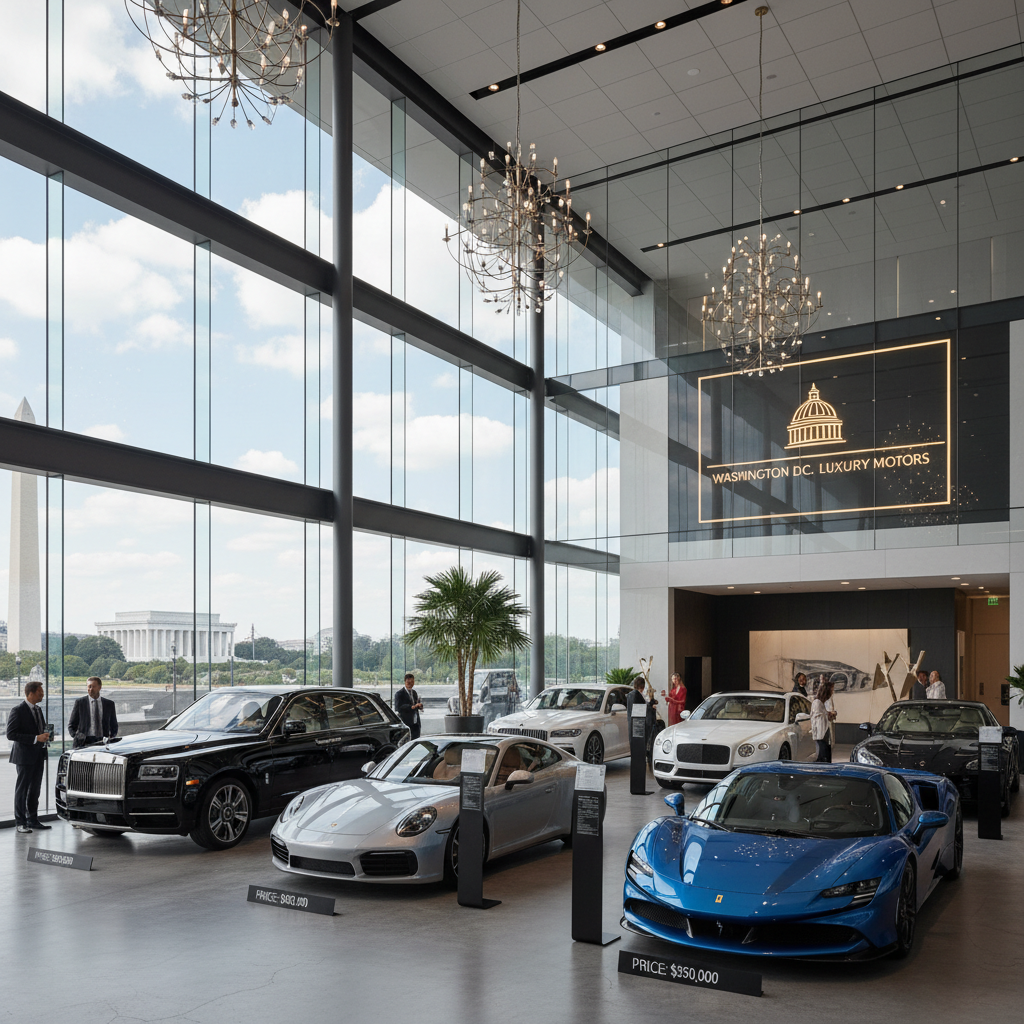
Washington D.C.’s luxury car market is facing significant financial pressure as former President Donald Trump’s trade policies continue to shape the automotive industry. In 2025, tariffs on imported auto parts and vehicles are driving up costs, squeezing local dealerships, and creating uncertainty for consumers and business owners alike. With the capital region known for its affluent clientele and high demand for luxury vehicles, these policies are hitting the industry particularly hard.
Rising Prices Hit Washington D.C.’s Luxury Auto Market
Luxury automakers that depend on foreign parts and vehicles—such as Mercedes-Benz, BMW, and Audi—are grappling with the rising costs brought on by tariffs imposed under Trump’s economic policies. Washington D.C., with its strong market for high-end vehicles driven by government officials, diplomats, and business executives, is feeling the strain.
According to the Greater Washington Auto Dealers Association, the average price of luxury vehicles in the region has risen by approximately $8,500 since the tariffs increased in late 2023. This jump is due to heightened import costs on critical components, including advanced electronics and performance engines, which many luxury brands source from Europe and Asia.
“We’re seeing the most significant price hikes in years,” says Daniel Roberts, the owner of a luxury dealership in Georgetown. “Customers are more hesitant to buy new luxury vehicles, and many are turning to pre-owned models to avoid the added costs.”
Luxury Dealerships Face Shrinking Profit Margins
Washington D.C.’s luxury car dealerships are finding it difficult to absorb these rising costs without passing them on to consumers. With limited inventory due to supply chain disruptions and increased import tariffs, dealers are seeing their profit margins erode.
Dealers in areas like Georgetown, Bethesda, and Arlington report a decline in new luxury car sales of up to 18% since early 2024. Many attribute this drop directly to Trump’s tariffs, which have made it more expensive to bring in new vehicles and specialty parts.
“We’ve had to rethink our entire sales strategy,” says Sarah Kim, a manager at a luxury car dealership in Arlington. “The tariffs are not only increasing costs but also delaying vehicle deliveries. This is frustrating for both us and our clients.”
Impact on Consumers and Local Economy
For luxury car buyers in Washington D.C., these trade policies mean fewer options and higher prices. Customers accustomed to upgrading vehicles every few years are now delaying purchases or seeking alternative financing options.
Additionally, maintenance and repair costs are rising as tariffs make it more expensive to import specialty parts required for high-end European and Asian vehicles. This has placed a financial burden on existing luxury car owners, especially for those with older models requiring imported components.
The economic ripple effects extend beyond car dealerships. Washington D.C. employs thousands of workers in the automotive and related sectors, and job stability is being threatened. Industry experts predict that continued pressure from tariffs could result in job losses, particularly in service and logistics roles connected to the luxury auto market.
Political Reactions and Business Advocacy
Business leaders and policymakers in Washington D.C. are pushing back against the tariffs. Local and regional business associations are lobbying federal authorities to reconsider or reduce tariffs on imported automotive parts to alleviate financial strain.
In a recent statement, Washington D.C. Mayor Muriel Bowser expressed concern over the impact of Trump’s trade policies on local businesses. “Our city’s economy depends on a thriving business environment,” she said. “We must prioritize policies that support businesses and maintain Washington D.C.’s position as a hub for global commerce.”
National luxury automotive groups are also increasing their lobbying efforts, urging Congress and the Biden administration to mitigate the effects of Trump’s trade measures. Many argue that a reduction in tariffs could stimulate the market and prevent further job losses.
Future Outlook for Washington D.C.’s Luxury Auto Market
The future remains uncertain for Washington D.C.’s luxury car industry as Trump’s trade policies continue to shape the economic landscape. Unless there is a significant policy reversal, industry analysts predict further price increases and potential job losses across the luxury automotive sector.
Some dealerships are pivoting to adapt by expanding their certified pre-owned inventory and focusing on electric luxury vehicles, which may be less affected by tariffs due to domestic manufacturing incentives. However, these strategies take time to implement and may not fully offset the current economic pressures.
For now, both businesses and consumers in Washington D.C. must navigate the challenges posed by increased costs and reduced availability in one of the nation’s most competitive luxury auto markets.
Related Articles: