- calendar_today August 10, 2025
Washington’s Economy Reacts to Trump’s Flexible Tariff Policy, Boosting Market Hopes
The Dow Jones futures are rising in response to recent statements from the administration of former President Donald Trump announcing a softer stance on tariffs. The action is causing ripples across Washington State, whose major industries are technology, agriculture, and commerce and rely heavily on the international market. Local business owners and investors are looking optimistically to the future but with caution now with hopes for relief from constricting tariffs.
Washington’s economy is intrinsically linked with international trade, and its giant ports and tech giants fuel its economic climate. Its economic prospects depend on any change in tariff policy, and Trump’s accommodative style is a huge thing among market analysts and businesspersons.
Tariff Flexibility Sparks Market Optimism
Trump’s indication that he is more open to altering the tariff policy has provided a boost to market sentiment. For Washington’s export-import driven economy, the prospects of lower trade barriers have a rosy picture.
The rise in Dow Jones futures is a sign of heightened market optimism that easing trade restrictions can help stabilize supply chains and cut costs. The optimism spills over to Washington-based companies and investors, who interpret the policy shift as a sign of future long-term economic benefit.
Impact on Washington’s Technology Sector
Washington also has some of the largest technology companies in the world, including Amazon and Microsoft, which are among the pillars of the state economy. The two companies anchor their businesses on global supply chains of parts and global markets of revenues.
A more benign tariff policy would reduce the budgetary burden of rising import duties, allowing for reduced production costs to technology companies. This would help not just big businesses but also the state’s growing number of small tech businesses and startups.
For investors, this means potential higher margins and continued innovation. Therefore, there is more optimism about the performance of Washington technology-driven companies.
Agriculture Sector Relieved in Gratitude
Agriculture is also among the key pillars of support for Washington’s economy because the state is at the forefront of the production of apples, wheat, and seafood. The industry has been severely hit by global trade tensions and high tariffs.
An elastic tariff policy can lead to new export markets and relax the cost burden on home farmers. Lower tariffs on agricultural exports will increase profitability for farming and stabilize rural economies. Washington farmers and agriculture businesses believe that these adjustments will bring stronger trade ties and sustained growth.
Trade and Transportation: Key Beneficiaries
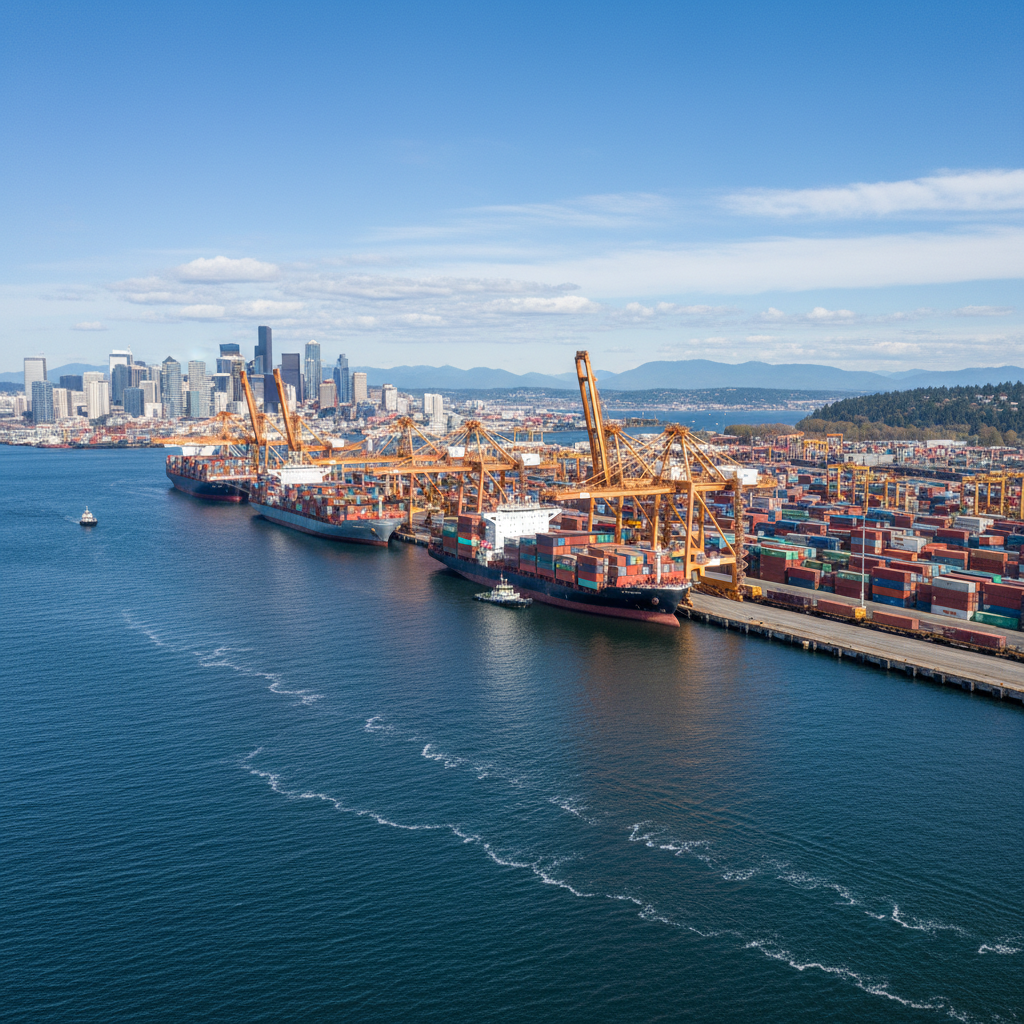
Washington ports, especially Seattle and Tacoma, are huge gateways for international trade. Any tariff reduction will have a direct impact on the transport and logistics sectors by offering them more products that move through the ports.
A greater elastic tariff policy will increase world trade activity, which in turn will mean more jobs and economic growth. Logistics and infrastructure investors are particularly drawn to the potential of more world commerce.
Local Businesses and Consumer Expenditure
Lowering tariffs would also translate to lower prices for consumers. This is a boon to Washington’s diverse community, where rising cost of living has been an issue.
If businesses save on other expenses excluding tariffs, they can pass on more competitive prices to consumers. This will make consumers more confident, leading to higher spending and a better local economy.
For small and medium-sized enterprises, cost saving can also foster growth, job creation, and overall economic well-being. Retail investors are watching very closely these developments, eagerly waiting for positive effects on both public and private companies.
Investor Sentiment: Cautiously Optimistic
While the Dow Jones futures surge is a sign of short-term optimism, Washington investors remain concerned about the long-term effects of Trump’s trade policy. To preserve market gains and gain economic stability, what is needed is a consistent and certain trade policy.
Investors are waiting eagerly for follow-on statements and policy measures to see if this momentum is sustained. So far, this change towards a less rigid tariff policy has given the market mood a lift, especially among sectors most affected by the state of global trade.
What’s Next for Washington’s Economy?
As Washington’s economy adjusts to the shifting trade landscape, businesspeople and investors alike are preparing for opportunity and challenge in equal measure. The recent surge in Dow Jones futures is a sign of fresh hope, but much still needs to be known about how tariff policy evolves in the months ahead.
If tariff elasticity is a policy for the long term, then Washington’s major industries—technology, agriculture, and trade—can look forward to steady increases. Meanwhile, the market breathes down its necks, its stakeholders hoping that this new trend shall usher in a safe and prosperous tomorrow.