- calendar_today August 15, 2025
Introduction
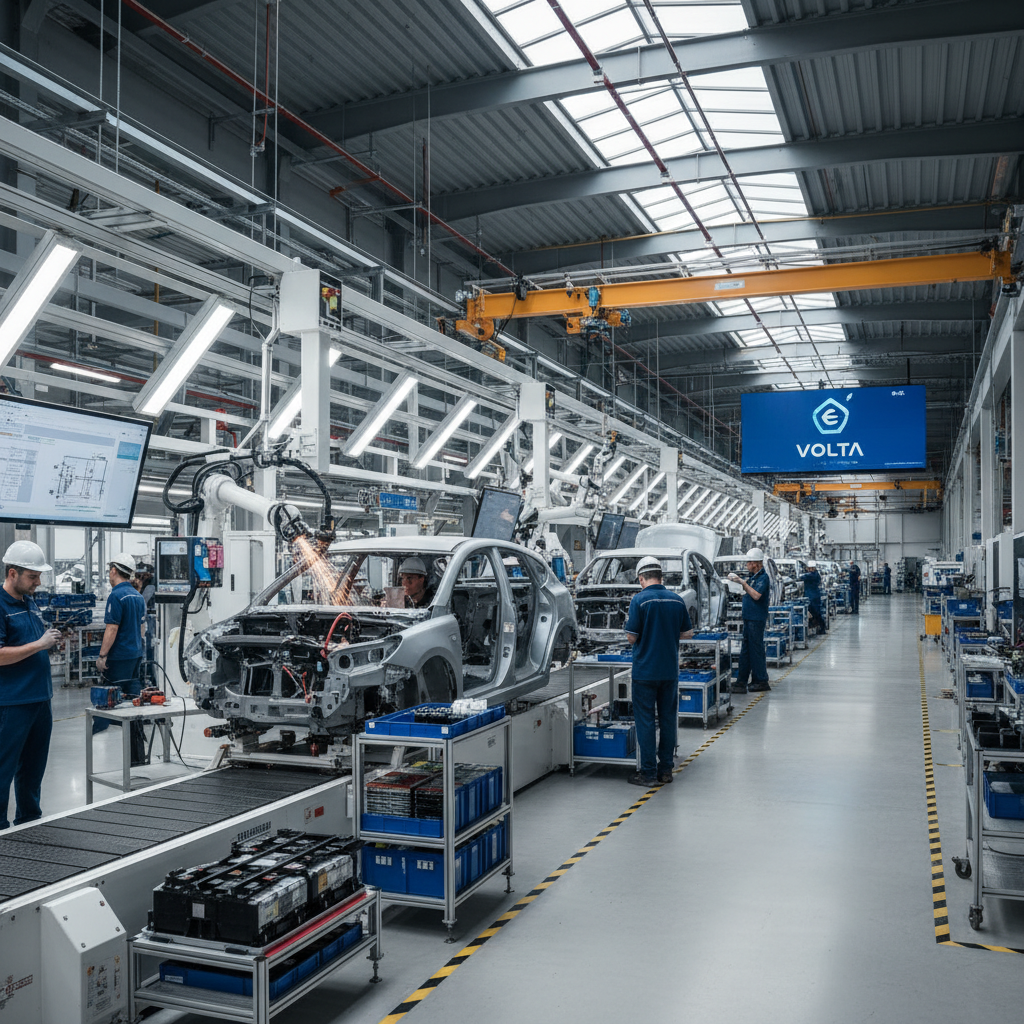
Hyundai Motor Group’s recent announcement of the extraordinary investment of $21 billion in the USA has created ripples in Washington D.C., leading to varied responses from policymakers, economists, and industry heads. Given that the investment covers development for automobile and steel production with a particular emphasis on EV manufacturing, this could be seen as among the biggest foreign ventures in the sphere of American manufacturing for recent times.
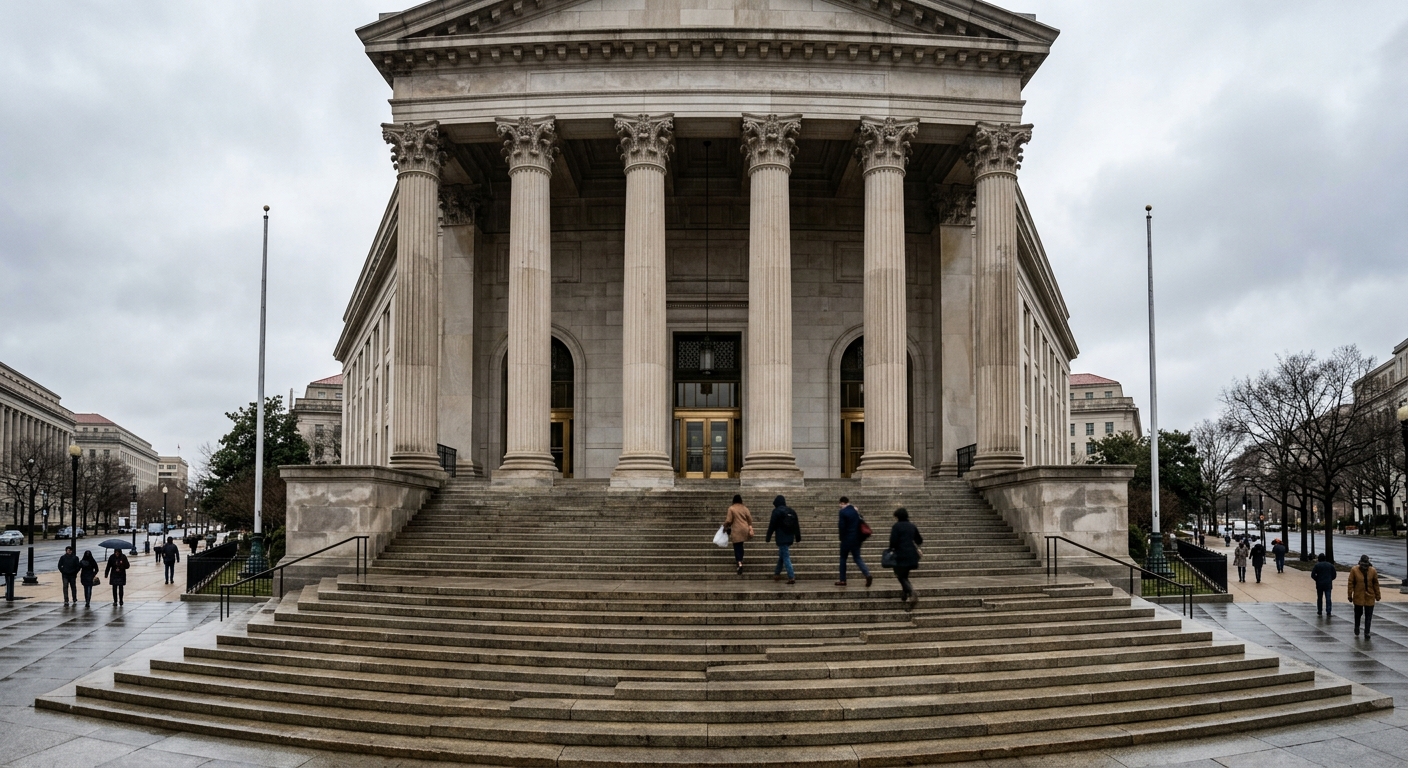
For D.C., it is a moment of excitement laden with scrutiny as the leaders seek to know what this means for job creation, trade policy, supply chain resilience, and evolving economic strategy within the United States.
The Views of the Lawmakers in Washington D.C.
The investment of Hyundai, being a signal of convincing return of industrial activities in the U.S., welcomed by the White House and several key sections of Congress. Over the past couple of years, however, federal government incentives have been directed toward luring domestic and foreign manufacturers to set up shop in the U.S. in support of their interests, particularly in sectors like electric vehicles, batteries, and clean energy technologies.
President Biden has been talking about “rebuilding America’s industrial backbone,” and here, Hyundai’s expansion appears to fit into the scheme. Lawmakers across party lines have reported this could be big for the U.S. economy—especially revitalizing the manufacturing sector.
The Big Booster for U.S. Manufacturing and Job Creation
The nitty-gritty of the discussion relates to the thousands of jobs that Hyundai can bring about across the country. Analysts of the automobile giant aspire to grow in not just vehicle manufacturing but in key supply chains, particularly EV battery production and steel processing. Washington D.C. leaders view this as an opportunity to:
- Bolster domestic EV production in support of U.S. self-reliance in green technology.
- Speed up job growth in areas like skilled labor, engineering, logistics, and advanced manufacturing.
- Improve our positioning in foreign trade by reducing U.S. dependence on other countries such as China for traditional manufacturing materials and components.
Assessments by Economic Analysts of the Investment
Economists in D.C. are diving into the broader implications of Hyundai’s expansion. Many are viewing this as a positive sign for growing confidence in the U.S. This will bring production nearer, and particularly in auto and steel will stabilize consumer prices in the long run, reducing their vulnerability to disruptions in global supply chains, which hit them almost being a quarter since the COVID-19 pandemic.
However, there are also cautious voices. Some economists point to the potential risks of rising labor costs and ongoing shortages of skilled workers. If Hyundai and other major players struggle to recruit and train enough workers, the costs of production may increase—potentially limiting the benefits to consumers.
Conclusion
Washington D.C.’s response to Hyundai’s landmark investment highlights both optimism and vigilance. While the potential for job creation, economic growth, and global leadership in clean tech is immense, the path forward will require thoughtful regulation, collaboration, and accountability. As Hyundai’s plans unfold, America’s capital will play a critical role in shaping how this investment benefits workers, businesses, and the broader economy for years to come.