- calendar_today August 16, 2025
Government Officials Weigh Trade and EV Policies Amid Tesla’s Stock Rally
Washington D.C. is closely observing as Tesla’s stock has been fueled by growing expectations of future tariff adjustments on Chinese-made EV components. As lawmakers, regulators, and industry leaders are negotiating the future of EV policy and U.S. trade policy, Tesla’s market capitalization and the entire EV industry are at a critical crossroads.
The question is whether policy updates, tax credits, or free-trade agreements would continue to push Tesla and the US EV sector—or whether emerging regulation and competition could slow down the momentum.
Why Tesla’s Stock Is Moving Up
Tesla stock has gained traction on bets that US tariffs on Chinese EV components and batteries will be amended. If policies are in favor of Tesla, then the company will gain in multiple ways:
- Lower Cost of Production – If tariffs decrease, Tesla’s expense on imported parts can potentially decrease.
- Greater Competitive Advantage – Tesla can potentially expand its lead over traditional manufacturers like Ford and GM in the EV race.
- Increased Demand for EVs – Reduced prices can translate to more affordable Teslas for buyers.
- Boost to U.S. EV Supply Chain – Tesla’s success can encourage fresh investment in domestic battery production.
These factors have attracted the attention of policymakers, who are considering how U.S. economic and trade policies will need to shift to address the evolving EV market.
Main Policy Matters in Washington D.C.
Washington regulators and policymakers are struggling with several key issues related to Tesla’s growth and the broader EV industry:
1. Trade Policies and Tariff Realignment
The Biden administration and lawmakers are debating tariff policies on EV batteries and components made in China. There is disagreement about whether:
- Cutting tariffs would lower the price of EVs and encourage more rapid adoption.
- Maintaining tariffs would protect American manufacturers from overseas competition.
- New trade deals might create a level playing field for American and Chinese EV manufacturers.
Tesla is requesting lower tariffs, citing that elevated import costs hold back EV adoption and affordability. However, local battery producers and established automakers may resist any adjustments, fearing increased competition.
2. Federal EV Tax Credits and Incentives
Government incentives are one of the drivers of Tesla’s expansion. Washington D.C. is weighing:
- Increasing and extending EV tax credits to reduce the cost of Teslas and other EVs.
- Correlating tax credits to US-based manufacture in a move to spur native EV manufacture.
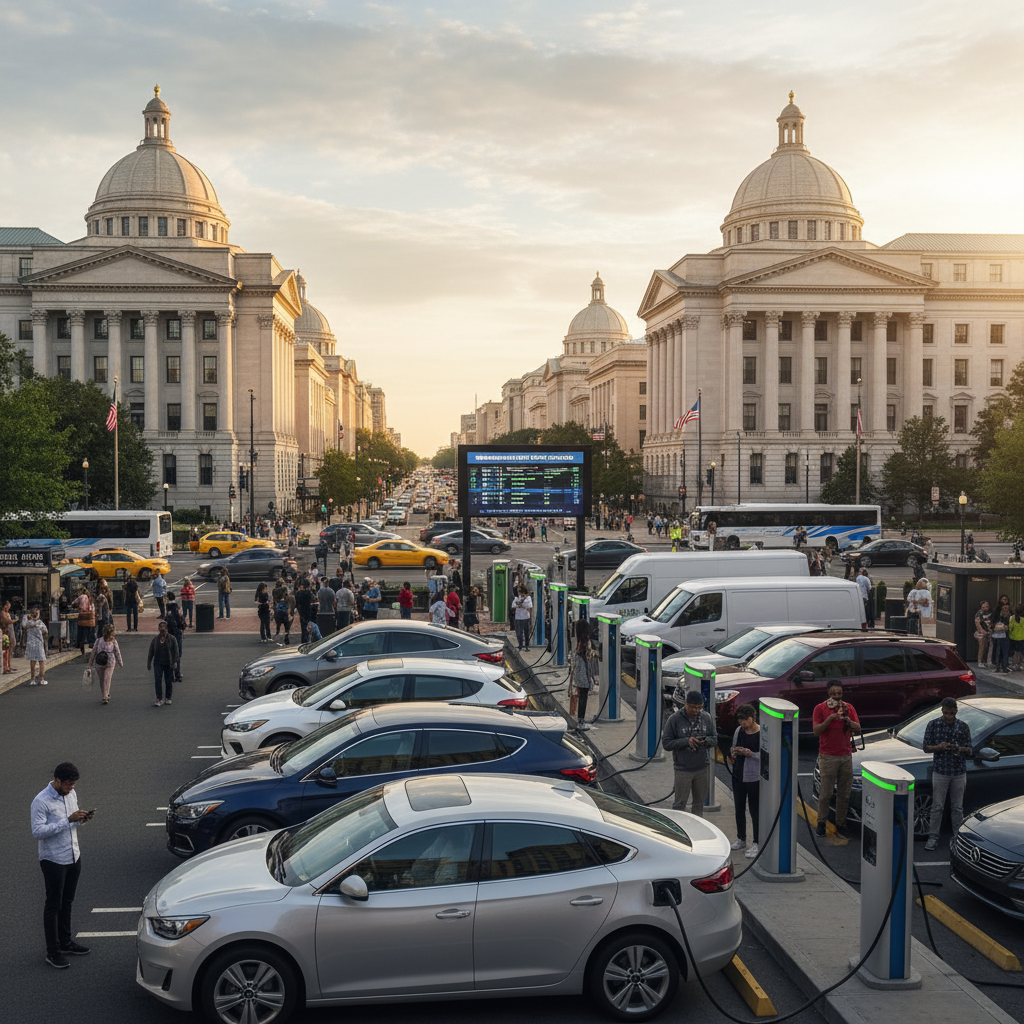
- Aiding expansion of EV charging stations to exploit growing demand.
Any change of policy in these areas may influence Tesla sales, as well as rates of adoption within the sector overall.
3. Rivalry with US Automakers
Established players like GM, Ford, and Stellantis are spearheading a determined charge into EV manufacturing. Certain policymakers argue that:
- Tesla received an unfair advantage since it had a head start in EV technology and was eligible for incentives.
- Federal policies need to promote competition and not one company.
- There must be more support for smaller U.S. EV startups to create a balance in the market.
This has opened up policy debate on funding new EV ventures, promoting fair competition, and establishing domestic battery production.
Impact on Tesla and the U.S. EV Market
Tesla’s stock increase is a reflection of investor trust in the company’s future, but the future hangs on the policy-making in Washington D.C. The following are potential outcomes:
- If tariffs fall:
Tesla can look forward to lower costs, increased demand, and improved stock performance.
- If tariffs remain or rise:
Tesla can look forward to increased costs and local competition.
- If new incentives come into play:
Tesla would win, but so would traditional automakers transitioning to EVs.
Tesla CEO Elon Musk has been a vocal supporter of pro-EV policies, and the way Washington addresses these issues may set the stage for the company’s next phase of expansion.
Washington D.C.’s policies about tariffs, trade policy and EV incentives will be a point of significant influence for Tesla’s future. While the firm is currently basking in investor euphoria, long-term growth depends on how legislators shape policy for the EV industry as a whole.
With tariff, tax-credit, and competition talk intensifying, Tesla’s stock run is merely one indication of a far broader transformation in America’s economy. How Washington manages these changes will not only shape the future of Tesla but that of the entire EV sector.