- calendar_today August 10, 2025
The launch of “Images in ChatGPT” by OpenAI represents a major enhancement by incorporating image creation abilities directly into the ChatGPT user interface. The new feature enabled by GPT-4o lets users produce images through their chat interactions, which represents a significant leap forward in AI-enabled content creation.
All subscription levels for ChatGPT now support the new functionality, including Plus, Pro, Team and the free tier. The wide availability of this feature seeks to make advanced image generation accessible to all users. OpenAI’s Taya Christianson stated that the image generation cap of three daily images for free users could change according to demand, even though current limits match those of DALL-E 3. OpenAI will keep DALL-E accessible through a dedicated GPT interface for users who prefer this specific experience.
OpenAI’s research leader, Gabriel Goh, emphasized GPT-4o as an “omnimodal” machine learning model that processes multiple data formats such as text, images, audio, and video. The model now demonstrates superior “binding” capability as a fundamental enhancement. The solution targets an existing problem in AI image generation where earlier models could not accurately preserve object-attribute relationships. GPT-4o demonstrates a significant improvement by successfully handling 15 to 20 objects together while maintaining distinct color and shape boundaries.
The system demonstrates top-notch text rendering, which stands out as one of its most important improvements. AI-generated images have historically displayed problems with both garbled text and nonsensical wording. Goh described their development process as iterative and time-consuming, saying, “This took many months of repeated refinement to perfect.” The team has reached a point where text rendering in images maintains enough consistency to be reliably usable despite the continued challenge of perfect small text rendering.
This system uses an autoregressive architectural approach, which sets it apart from the diffusion models typically employed by image generation technologies. The sequential image generation process from left to right and top to bottom mirrors text generation techniques and is believed to enhance text rendering and binding performance.
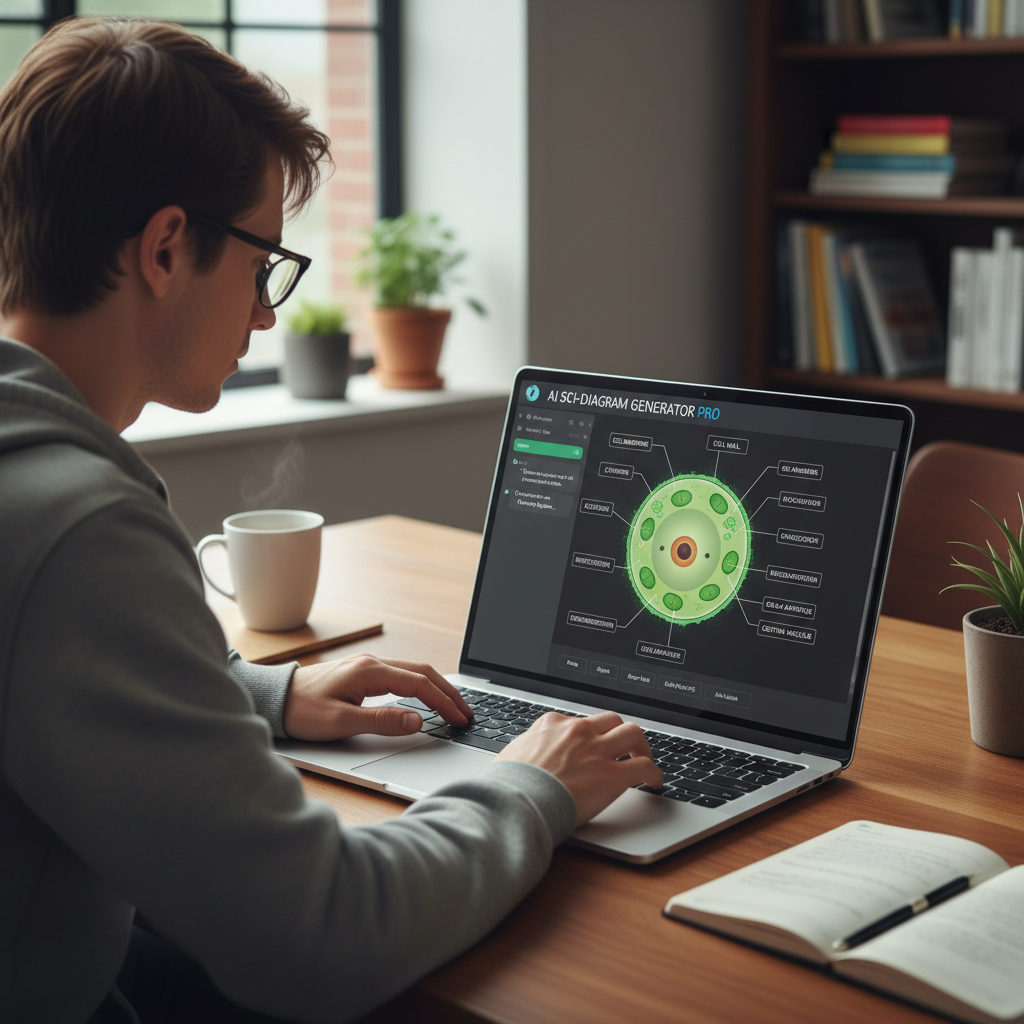
OpenAI’s briefing presented the system’s various functions, such as creating detailed scientific diagrams like Newton’s prism experiment with exact labels, developing multi-panel comics featuring uniform characters and dialogue, and crafting informative posters with precise text. The presentation included practical demonstrations that showed how the system could generate transparent background images for applications such as stickers and restaurant menus, and logos.
The multimodal product lead at ChatGPT, named Jackie Shannon, highlighted the system’s capability to use worldwide information. She explained that when she starts to draw an image, she must work within her skill boundaries while using all her accumulated world knowledge. The model integrates world knowledge so you can receive an image of Newton’s prism experiment without needing to provide an explanation of what it depicts.
OpenAI believes that users should wait a bit longer for image generation because the improved quality and added functionalities provide sufficient value. The superior image quality, along with enhanced capabilities and world knowledge, compensates for any extra waiting time we might have.
OpenAI addressed potential misuse concerns by implementing strong protective measures. This system has features to block the removal of watermarks while preventing the creation of sexual deepfakes and processing requests for CSAM. There will be no visual watermarks present but all generated images will feature standard C2PA metadata to identify them as OpenAI products. The company keeps internal mechanisms to verify images.
Shannon stated that while no system can be perfect for this application, they continue to advance their safety measures, which they see as the initial phase. Users maintain ownership of all images created through ChatGPT and have full freedom to use these images according to the company’s usage policies.
OpenAI has expanded ChatGPT capabilities to include visual creation, which transforms the platform into a dual-purpose tool for conversation and creative visual expression. The introduction of this technology represents a major advancement in AI development by combining conversational AI capabilities with cutting-edge image generation methods.