- calendar_today June 26, 2026
WASHINGTON, D.C. — The highly anticipated Great American State Fair opened this week on the National Mall, serving as the centerpiece of President Trump’s Freedom 250 commemoration of the nation’s semiquincentennial. Yet, what was billed as a grand celebration of American tradition quickly met with unexpected logistical roadblocks and a wide spectrum of public reactions throughout the Washington, D.C. region.
Challenging Debut for a Major American Event
Set against the backdrop of the Capitol, the Great American State Fair intended to capture the nostalgia and energy typically found at long-standing state fairs across the country. However, spectators arriving for the event’s debut encountered extensive road closures, ongoing construction, and navigation difficulties—not to mention unusually sparse fair attendance. Organizers had hoped that Freedom 250 would draw crowds to the National Mall, but thinning lines were apparent at many attractions, with some areas nearly deserted as the day progressed.
State Exhibits Vary in Quality and Participation
One of the fair’s signature features, a series of state exhibits meant to celebrate local culture and products, delivered mixed results. While some states constructed vibrant, interactive displays, others remained dark as delegations opted out amid political controversy. Whole sections of the site saw fewer visitors, reflecting the uneven participation and a general sense of missed opportunity for cross-state connections within the Washington, D.C. community.
Technical Glitches and Limited Family Activities
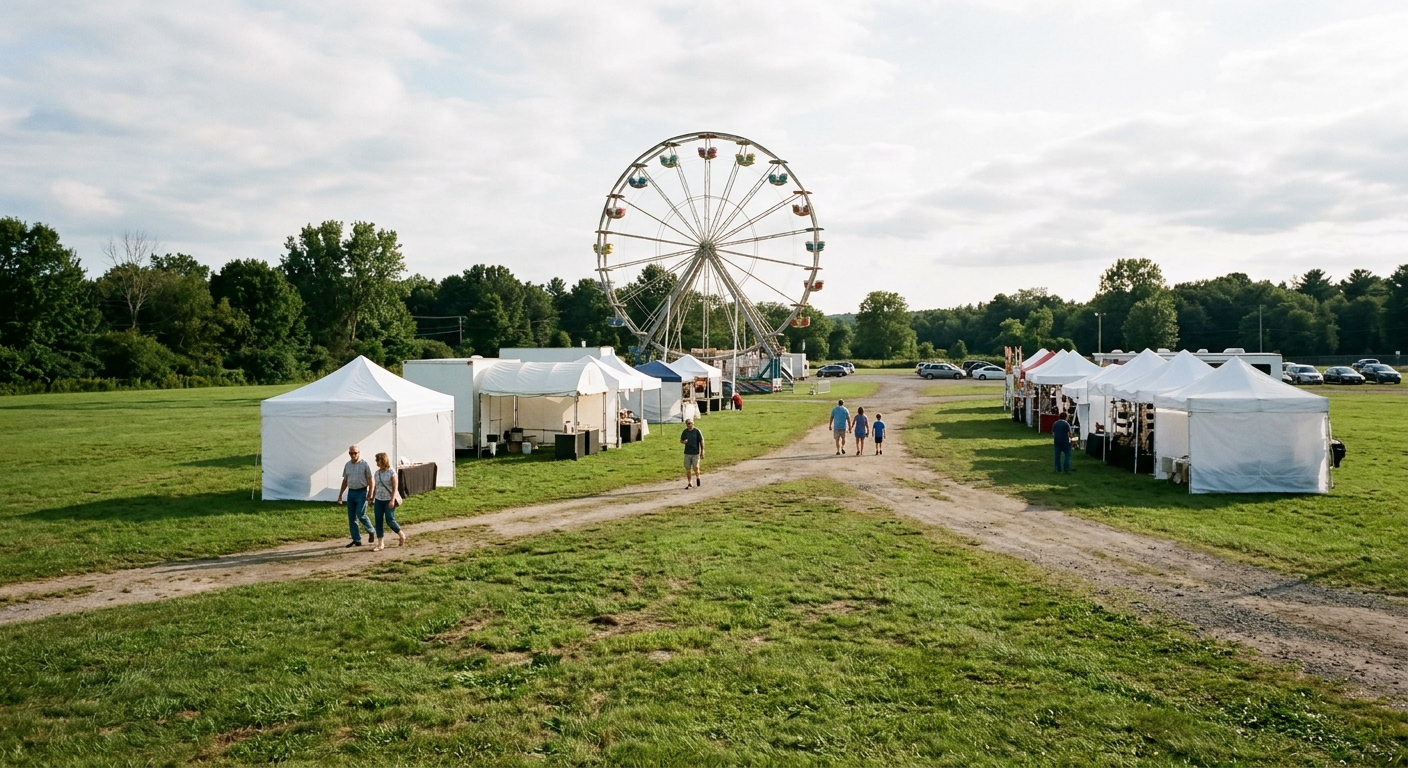
The fair’s much-touted ferris wheel drew attention—for all the wrong reasons. Attendees reported lengthy waits and technical issues that sidelined the ride for significant stretches of the weekend. Limited family activities frustrated many parents, whose expectations of a bustling, inclusive fair experience were dampened by logistical snags and a relatively thin selection of kid-friendly stations.
Music and Entertainment Under Cloud of Politics
Set against the celebratory intent of the Trump celebration, this year’s state fair was defined by heightened political overtones. President Trump headlined with patriotic speeches, but the political nature of the event led to the withdrawal of several high-profile artists, resulting in a patchwork of live performances and last-minute schedule shuffles. Evangelical preachers and religious groups played a visible role throughout the week, further differentiating the programming from the typical summer festival atmosphere many regional residents had anticipated.
Food Offerings and the Pursuit of Tradition
Food, often a highlight of any American tradition like the state fair, underwhelmed visitors craving regional specialties and classic treats. Reports of limited choices and uninspired menus circulated among families and young adults alike. Even as some small groups found solace in the fair’s scattered barbecues and modest sweets, the offerings overall fell short compared to longstanding staple events in the Washington, D.C. area, leaving many searching for the flavors and sense of summer patriotism that had been promised.
Community Reception and Looking Ahead
Despite the challenges, some attendees maintained optimism, enjoying occasional moments of camaraderie, especially at certain state exhibits and impromptu performance areas. However, most feedback from local families and visitors cited disappointment over the experience, from navigation confusion to lack of activities tailored for younger audiences. As the Great American State Fair continues through the week, organizers and regional stakeholders hope that future days will enhance attendance, foster more inclusive programming, and cultivate the spirit of community that defines the National Mall during milestone events.