- calendar_today June 16, 2026
The removal of the controversial Kennedy Center signage in Washington, D.C. has sparked a new phase in a prolonged legal and political dispute, following a federal court’s order that deemed the “Donald J. Trump” naming illegal. The ongoing situation has drawn sharp attention from lawmakers, legal experts, and the public, highlighting deep divisions over the future of this iconic institution’s facade.
Federal Court Orders Trump Name Removed
The highly visible trump sign removal came in response to a ruling by U.S. District Judge Christopher Cooper, who concluded that installation of the Donald J. Trump name on the Kennedy Center’s facade was unlawful. Judge Cooper’s court order not only required immediate removal of the signage but also prohibited the institution from displaying the Trump name pending further legal proceedings. The order culminated months of debate and litigation, centering on whether the naming represented a violation of statutory mandates for the Kennedy Center, a revered cultural landmark in Washington, D.C.
Trump Administration Files Court Appeal
Undeterred by the judicial ruling, the trump administration quickly filed a court appeal seeking to reverse the judge’s decision. The appeal includes a request for a stay, which, if granted, could allow the Trump name to be reinstalled until the conclusion of the legal process. Notable for its strikingly partisan tone, the appeal was signed solely by Assistant Attorney General Brett Shumate—a political appointee—without endorsements from career line attorneys from the department of justice. This rare occurrence has prompted speculation about possible internal dissent over the direction of the administration’s legal strategy.
Obscured Facade and Tarp Draw Scrutiny
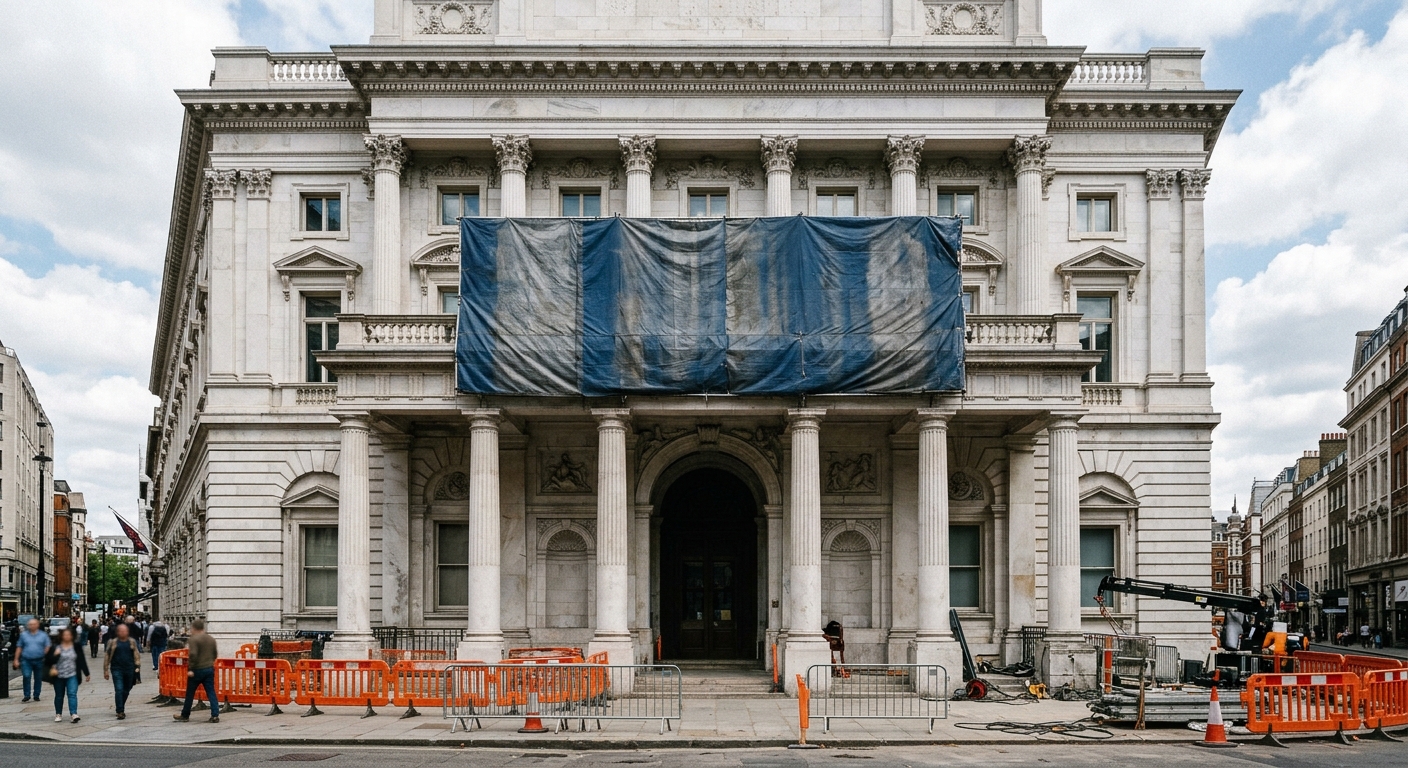
Currently, the Kennedy Center’s facade is concealed by a facade tarp, ostensibly to obscure the absence of the Trump and Kennedy names. While the tarp itself is not the subject of the litigation, its presence has prompted questions about transparency. Congresswoman Joyce Beatty, a central figure whose joyce beatty lawsuit helped lead to the court’s intervention, and her legal team have sought clarification regarding the tarp’s use but encounter obstacles in compelling its removal. Some Washington, D.C. residents have expressed concern that the tarp undermines the institution’s visibility during this crucial period.
Political and Financial Dimensions of the Legal Battle
The legal dispute over donald trump naming at the Kennedy Center is layered with both political and financial implications. The Trump administration’s appeal references a fundraising entity linked to the former president, warning of potential funding losses if the Trump signage is not restored. This aspect has introduced a fundraising controversy that is now being examined by legal authorities and watchdog groups, as questions arise over the appropriateness of tying institutional naming to political contributions.
Uncertainty for the Community and Cultural Patrons
For the Washington, D.C. community, the Kennedy Center remains a symbol of arts and civic engagement. Residents and stakeholders are following the legal battle closely, with institutional leaders weighing the impact of prolonged litigation and controversy on the Center’s mission. As the court prepares to rule on the stay request, many acknowledge that resolution could still be months away, leaving the fate of the Kennedy Center signage in limbo and fueling ongoing debate over public institutions’ ties to national political figures.
Case Outcome Remains Uncertain
The court’s decision on the Trump administration’s stay request is expected soon, but the ultimate outcome of the underlying appeal will likely take several more months to materialize. Observers across Washington, D.C. and beyond recognize that the outcome of this court appeal could set significant precedents for the governance of public cultural landmarks and the separation between political influence and institutional naming.