- calendar_today July 6, 2026
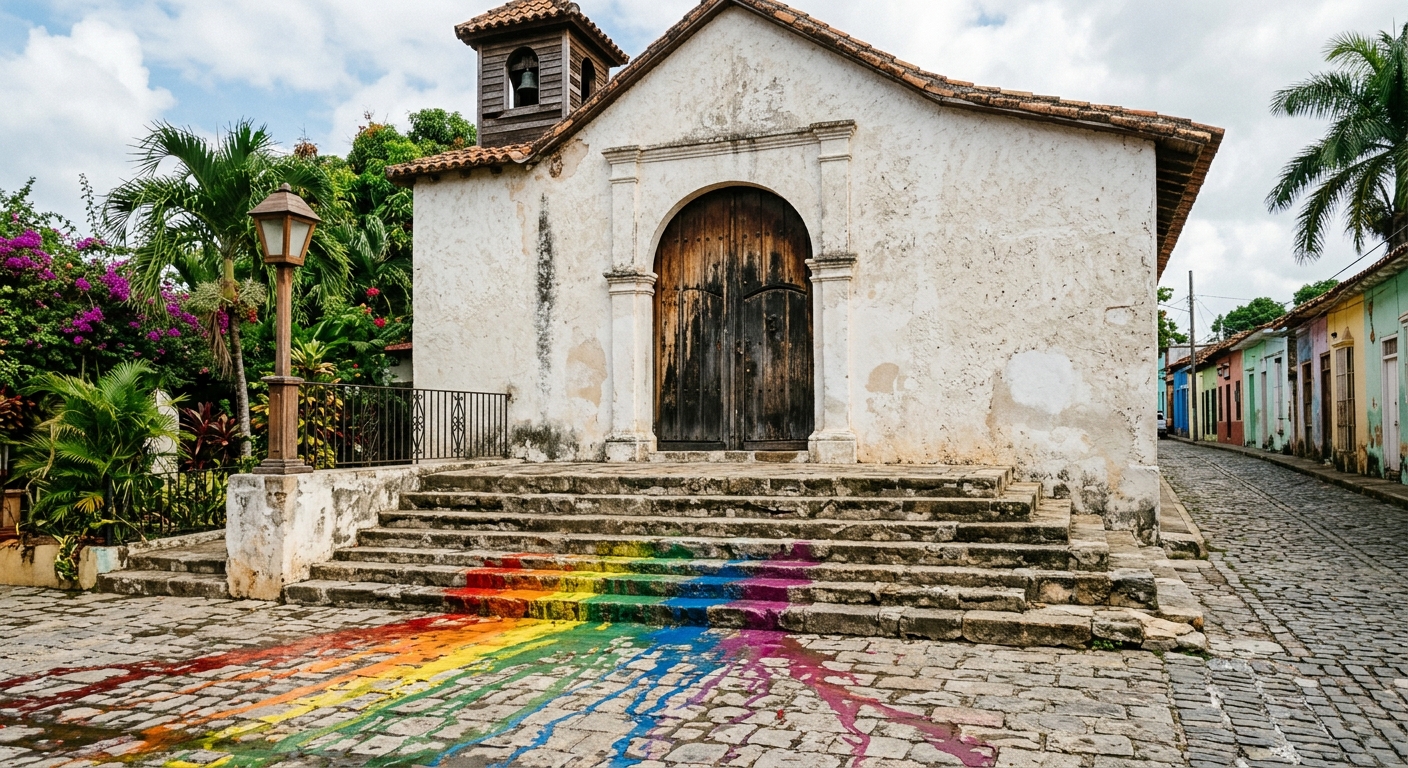
An incident involving a painted rainbow outside One Church in Comerío, Puerto Rico, has ignited a broad discussion about faith, inclusion, and public discourse, resonating from the streets of Comerío to communities in Washington, D.C.. The pastor rainbow reaction that followed the event has become a focal point for conversations around symbols, speech, and the diverse identities represented within local faith communities.
Rainbow Paint Sparks Strong Response
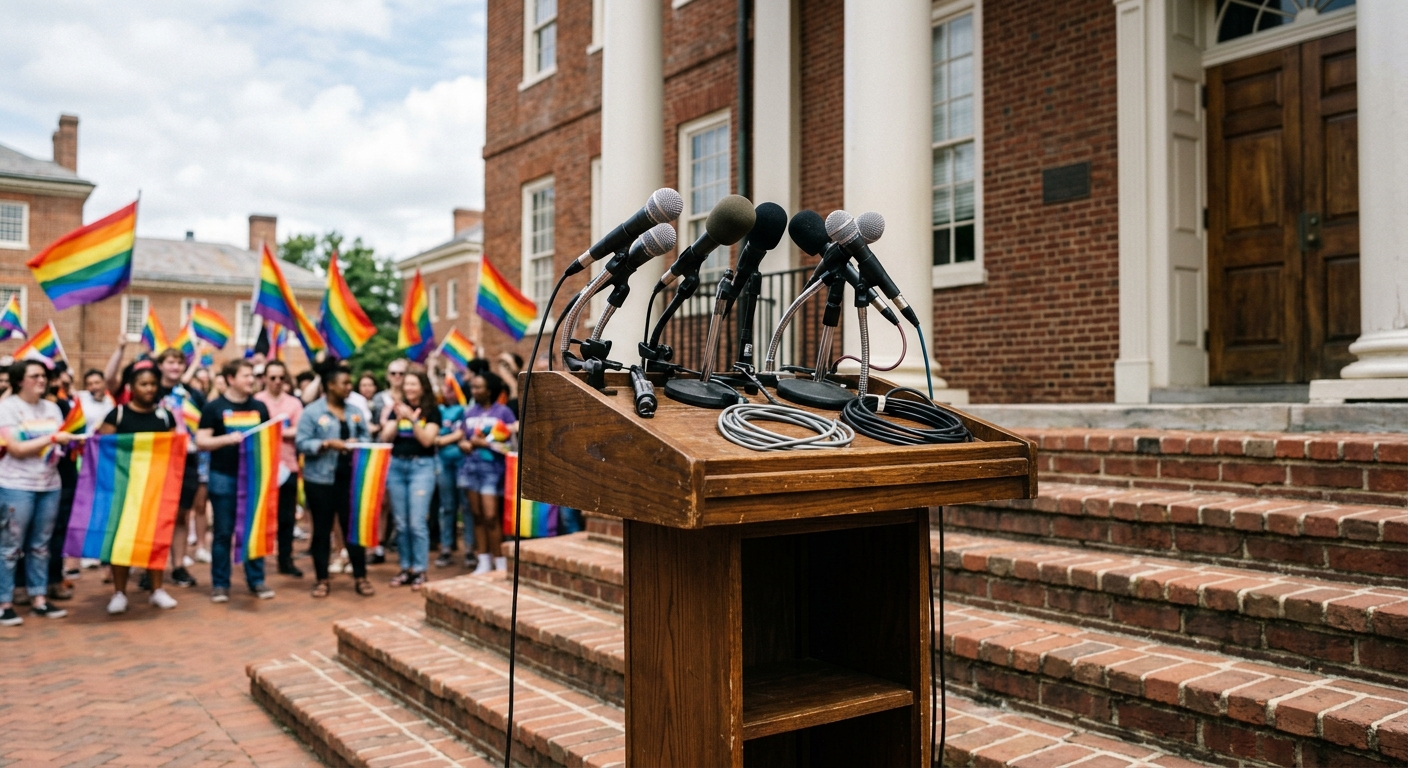
The display of rainbow colors, recognized globally as a signifier of LGBTQ identity, was met with public outcry by One Church Pastor Jorge J. Santiago Reyes. Describing the act as a ‘physical attack,’ the pastor’s response has been interpreted by many as emblematic of a wider religious response to evolving societal norms. In Washington, D.C., where interfaith dialogue and diversity efforts are prominent, such moments gain particular relevance for local leaders and congregations seeking to balance tradition with inclusion.
The Rainbow: Symbolism and Controversy
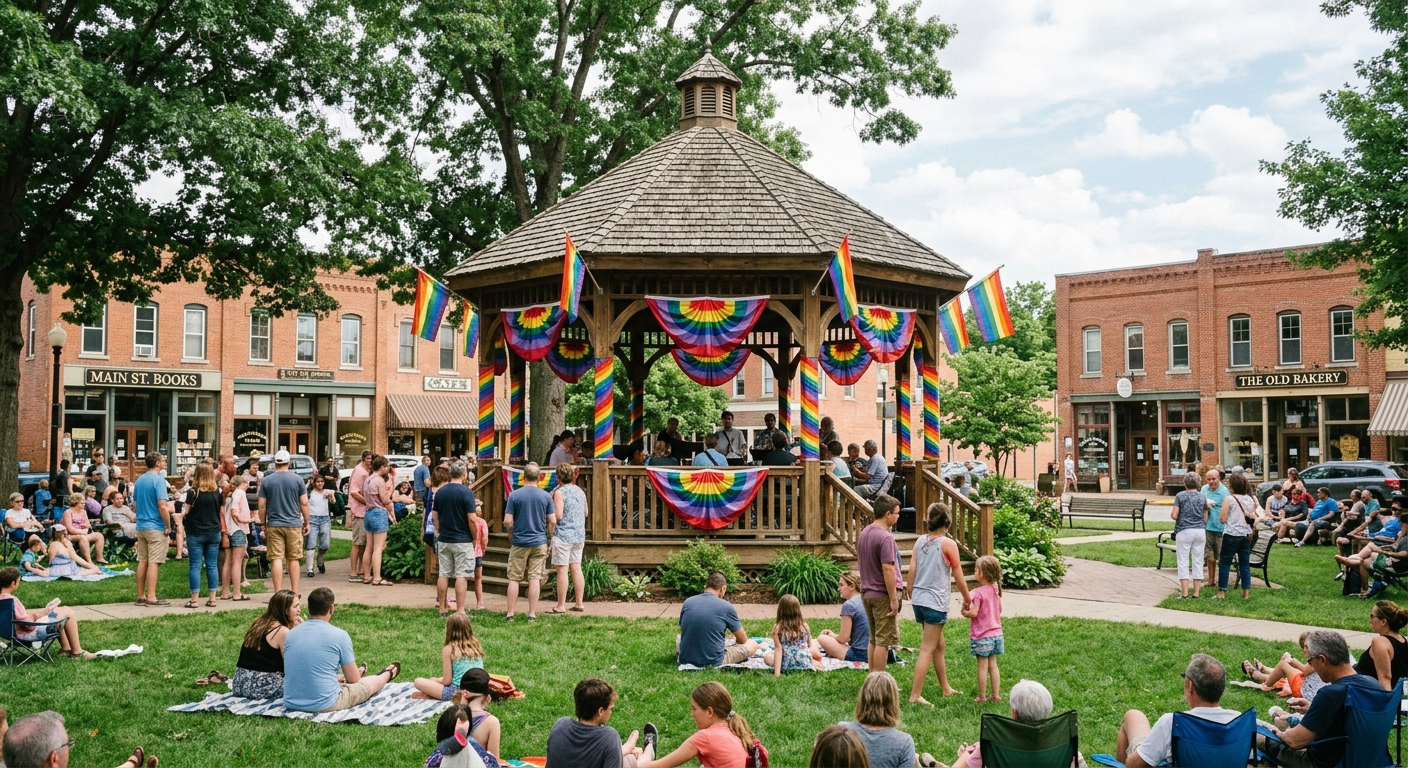
The rainbow, long associated with pride symbols and hopes for dignity within the lgbtq community, continues to serve as a lightning rod in debates over public space and expression. For supporters, the colors painted near One Church on June 28 Pride commemorate the LGBTQ community’s history and struggles, accentuating the importance of visibility in both Puerto Rico and greater Washington, D.C. However, opponents raise concerns over the challenges such displays create for religious institutions balancing core beliefs with community engagement.
Measuring the Impact of Words
The episode in Comerío, Puerto Rico, draws attention to the weight of public discourse in shaping social attitudes. The pastor’s words, suggesting that the rainbow represented a threat, have generated dialogue on the potential for language from community leaders to foster either harmony or division. In Washington, D.C., where civic and religious stakeholders work closely on matters of faith and inclusion, many note the need for care and compassion in addressing controversial issues.
Hate Speech, Community Conflict, and Responsibility
Advocates warn that rhetoric perceived as hate speech can deepen community conflict and marginalize those seeking acceptance. The incident underscores the complexities faced by faith-based organizations confronting changes in social attitudes toward diversity. Local leaders in Washington, D.C. are increasingly aware that their interpretations of events like those in Comerío, Puerto Rico, can have lasting impacts far beyond church walls, affecting perceptions and relations throughout the broader region.
June 28 Pride and the Legacy of Symbolism
Each June 28 Pride anniversary serves as a reminder of the ongoing pursuit of equality and understanding. The rainbow symbolism used in public and religious spaces continues to challenge leaders to reflect on their role in either entrenching divisions or building bridges. While painted colors may eventually fade, the influence of leaders’ words and actions can endure, shaping the ethos of local institutions in Washington, D.C. and beyond.
Pathways Toward Dialogue and Understanding
This episode from Comerío, Puerto Rico, illustrates the need for respectful, thoughtful communication as communities everywhere confront issues of faith, inclusion, and symbolic expression. In Washington, D.C., stakeholder groups emphasize the importance of dialogue that uplifts and unites, urging leaders to act with empathy as they navigate the intersection of conviction and diversity. As the conversation continues, many hope the lessons drawn from this pastor rainbow reaction will inspire greater understanding and mutual respect across all communities.