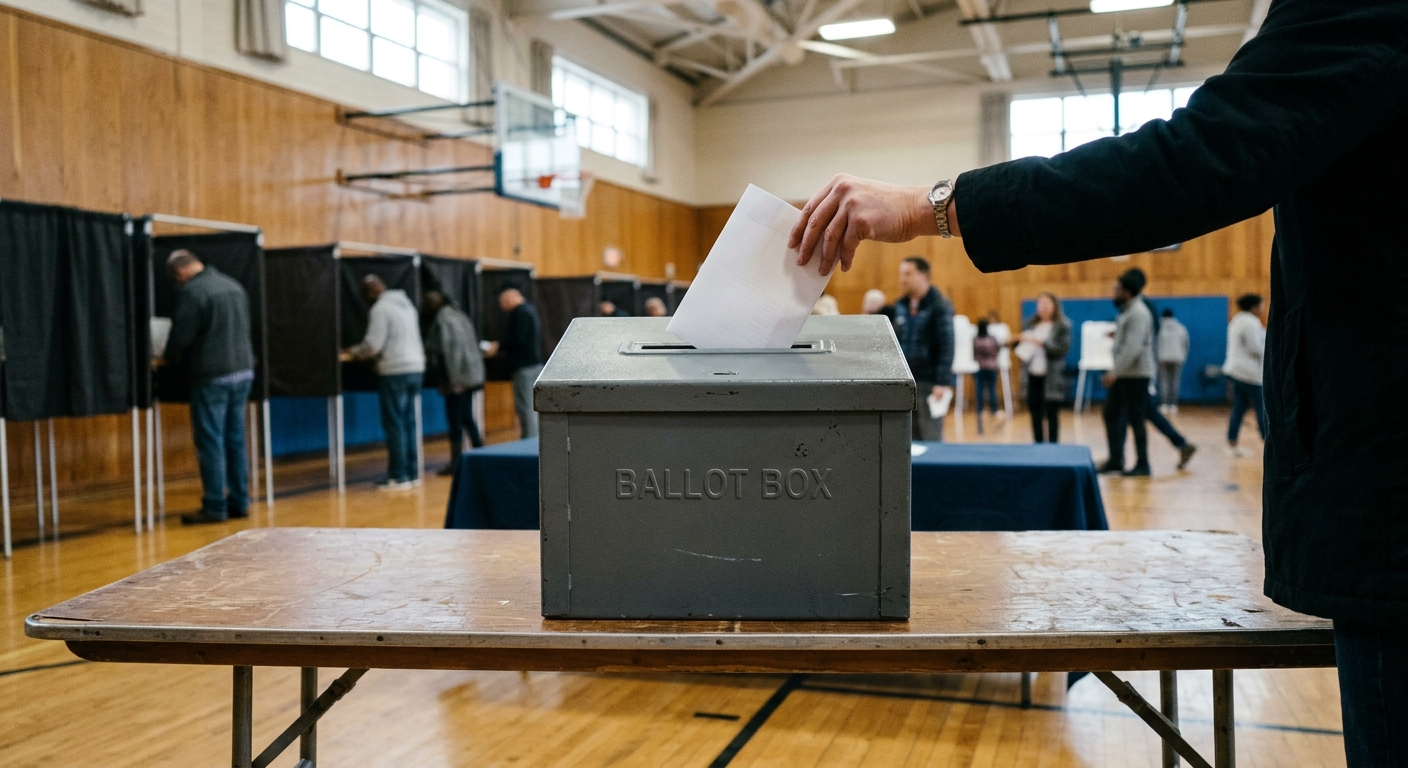
AI-generated illustration; not a photograph of the reported event.
- calendar_today August 12, 2026
The Democratic primary for the Minnesota Senate seat took center stage in Washington, D.C. political circles this week, as peggy flanagan secured a decisive victory over Rep. Angie Craig. Flanagan, currently serving as lieutenant governor, captured 59% of the vote, while Craig finished with 39%, underscoring a clear preference among party voters for Flanagan’s progressive platform.
Flanagan’s Rise and Endorsements
Flanagan received prominent lgbtq endorsements, including support from Sen. Bernie Sanders, Sen. Elizabeth Warren, and the influential Christopher Street Project. The Christopher Street Project, well known for championing transgender rights, signaled its support after contrasting the candidates’ stances on related legislation. The group pointed to Flanagan’s inclusive approach, particularly her advocacy for the Trans Bill of Rights – a piece of legislation Craig did not sponsor.
Spending, Messaging, and Campaign Dynamics
Despite running a leaner campaign with $4.7 million in expenditures compared to Craig’s nearly $20 million, Flanagan’s message resonated with primary voters. She distinguished herself by critiquing Craig’s positions on immigration and her lack of support for Medicare for All. Flanagan’s opposition to restrictive immigration policies and her embrace of universal healthcare were central to her campaign, appealing to a broad base of progressive Democrats in Washington, D.C. and across Minnesota.
Craig’s Record and Reflections
Craig, who is openly lesbian and widely recognized for her record on LGBTQ rights, faced criticism during the campaign for not sponsoring key progressive legislation, including the Trans Bill of Rights. She also addressed controversy over her vote for the Laken Riley Act, expressing regret over the decision. The act, which has drawn scrutiny from some advocacy groups, became a flashpoint in the race, emphasizing the heightened importance of legislative records on issues ranging from LGBTQ protections to immigration.
Transgender Rights Shape the Debate
The clash between Flanagan and Craig highlighted how transgender rights have become a pivotal issue for today’s Democratic primary voters. The endorsements from progressive advocacy organizations and high-profile legislative allies were instrumental in separating the candidates, reflecting a broader national trend within Democratic primaries. In Minnesota and in the vibrant political scene of Washington, D.C., the future of transgender rights is increasingly central to campaign strategies and voter decision-making.
Republican Primary and the Road Ahead
On the Republican side, Michele Tafoya secured her party’s nomination. Tafoya’s campaign is focused on policies surrounding transgender sports participation and immigration, signaling a distinct contrast to the Democratic field. As the November 2026 general election approaches, both parties are expected to continue spotlighting these divisive themes to galvanize their bases. The prominence of issues like the Christopher Street Project’s advocacy and ongoing debates over Medicare for All are expected to persist throughout the campaign season.
A Broader Progressive Momentum
Flanagan’s victory in the minnesota senate primary is being heralded by many within the party as a testament to the growing strength of progressive democrats. Her campaign, fueled by endorsements and support for sweeping legislative reforms, mirrors a national shift seen throughout recent Democratic primaries. As Washington, D.C. continues to monitor these developments, voters and policymakers alike are acknowledging the increasing influence of lgbtq and transgender rights in shaping policy and political fortunes at both state and federal levels.