- calendar_today June 18, 2026
Washington, D.C.—As the nation commemorates its 250th anniversary, Queering America 250 shines a spotlight on the enduring legacy of lgbtq history in Washington, D.C. and beyond, charting the crucial role queer Americans have played from the Revolutionary era to the present day.
LGBTQ Icons from the Birth of a Nation
The Washington Blade’s new magazine details the remarkable narratives of lgbtq icons who shaped American history, including figures like Baron Von Steuben, whose military leadership helped secure independence. The legacy also embraces literary pioneer Walt Whitman and suffragist Susan B. Anthony, underscoring the deep roots of queer history within the nation’s founding and evolution.
Uncovering Queer Contributions in Colonial America
Despite the rigid confines of the era, colonial america lgbtq relationships found subtle forms of expression. Romantic friendships and coded partnerships helped queer individuals persevere in the face of societal constraints, severe punishments, and historical erasure. This nuanced reality challenges simplistic narratives and deepens our understanding of queer contributions throughout American history.
Documenting History: Archives and Recognition
Initiatives such as lgbtHistoryMonth.com play a vital role by cataloging over 620 influential figures across disciplines. Observed every October, lgbtq history month prompts communities in Washington, D.C. and nationwide to reflect on triumphs, struggles, and milestones. These archives provide valuable resources for educators, researchers, and the public to explore the tapestry of lgbtq rights and activism.
LGBTQ Civil Rights: Landmarks and Setbacks
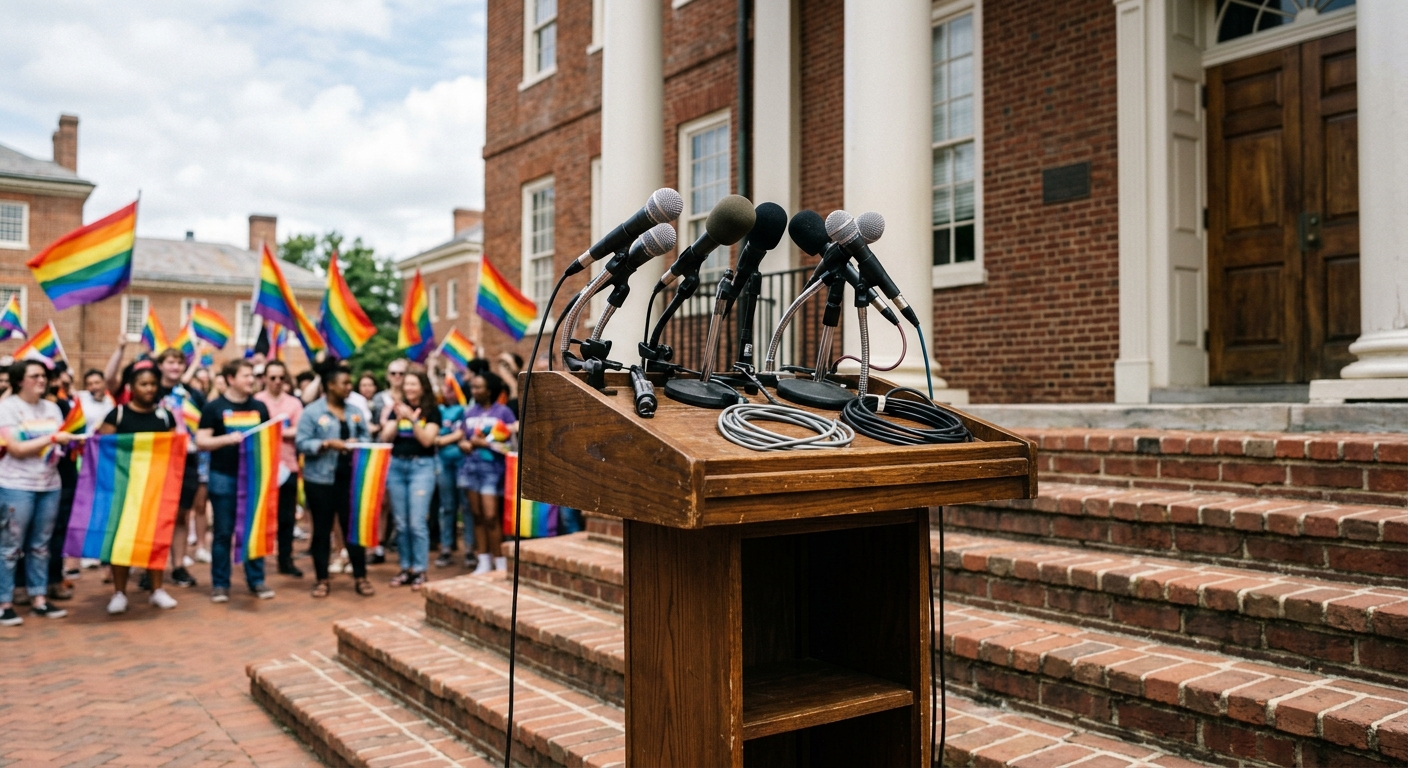
In recent decades, the arc of lgbtq civil rights has seen dramatic progress: the legalization of same-sex marriage, the repeal of discriminatory laws, and the election of openly LGBTQ officials. Washington, D.C. has often been at the center of these milestones, serving as a stage for lgbtq activism that reverberates nationwide. Nonetheless, the movement has faced renewed challenges, with censorship and attempts to roll back protections raising concerns about sustained vigilance.
Ongoing Fight Against LGBTQ Censorship
The Trump administration’s restrictions on LGBTQ content and attempts to curtail inclusive education sparked debate over lgbtq censorship. Legal and legislative battles underscore the stakes, as activists and allies strive to safeguard the preservation of lgbtq history and open access to resources for future generations. The efforts to silence queer narratives highlight why visibility matters—both for honoring the past and empowering young people charting their futures.
LGBTQ Milestones Inspire Community Resilience
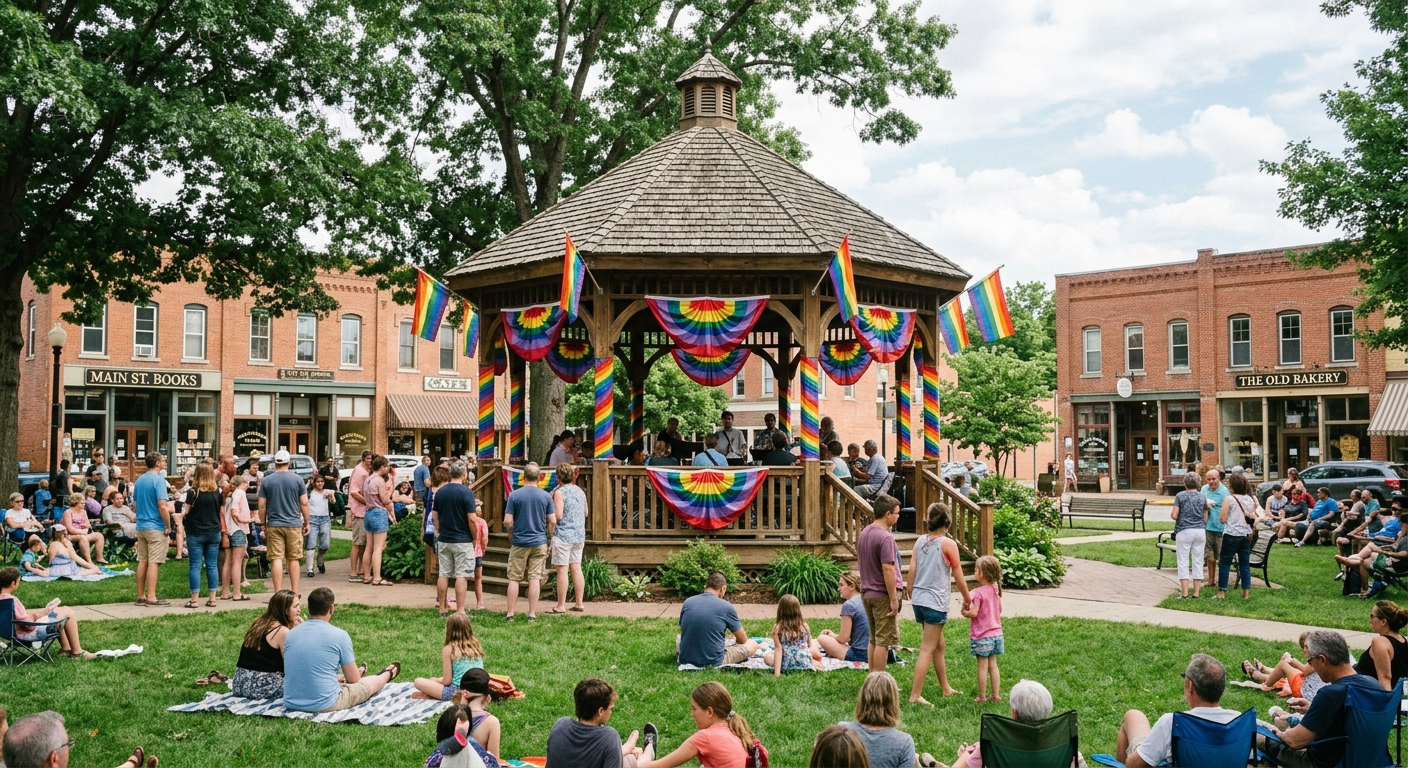
Decades of advocacy, from the Stonewall uprising through contemporary legal triumphs, constitute the bedrock of lgbtq milestones celebrated today. These victories are not only political or legal—they also strengthen community bonds and ensure that stories of perseverance, love, and authenticity are passed on. In Washington, D.C., public celebrations and educational programs during lgbtq history month play an essential role in building solidarity among diverse communities.
Understanding History for a Better Future
Centering lgbtq history in national dialogue contributes to a deeper awareness of American pluralism and democratic ideals. Through education and commemoration, communities throughout Washington, D.C. help nurture future leaders who view diversity as a source of national strength. The histories of lgbtq icons and their allies continue to inform the quest for justice and equality, reminding all that to know the past is to better shape the future.
The Path Forward: Community Empowerment
Celebrating lgbtq history is more than a nod to the past; it is an affirmation of resilience, hope, and collective progress. As Washington, D.C. marks its place in this ongoing journey, the stories of queer Americans offer inspiration for new generations of activists, artists, and leaders determined to advance equality for all.