- calendar_today July 3, 2026
WASHINGTON, D.C. – As conversations about the future of American democracy intensify, mail in ballots remain at the forefront in Washington, D.C. with new Supreme Court decisions and legislative debates shaping the region’s election landscape. During a recent Capitol Conversations interview, California Democratic Congressman Ami Bera—representing the state’s Sixth District—provided in-depth perspective on the evolving election process, national health initiatives, and the significance of America’s 250th birthday celebration.
Supreme Court Ruling Alters Election Process
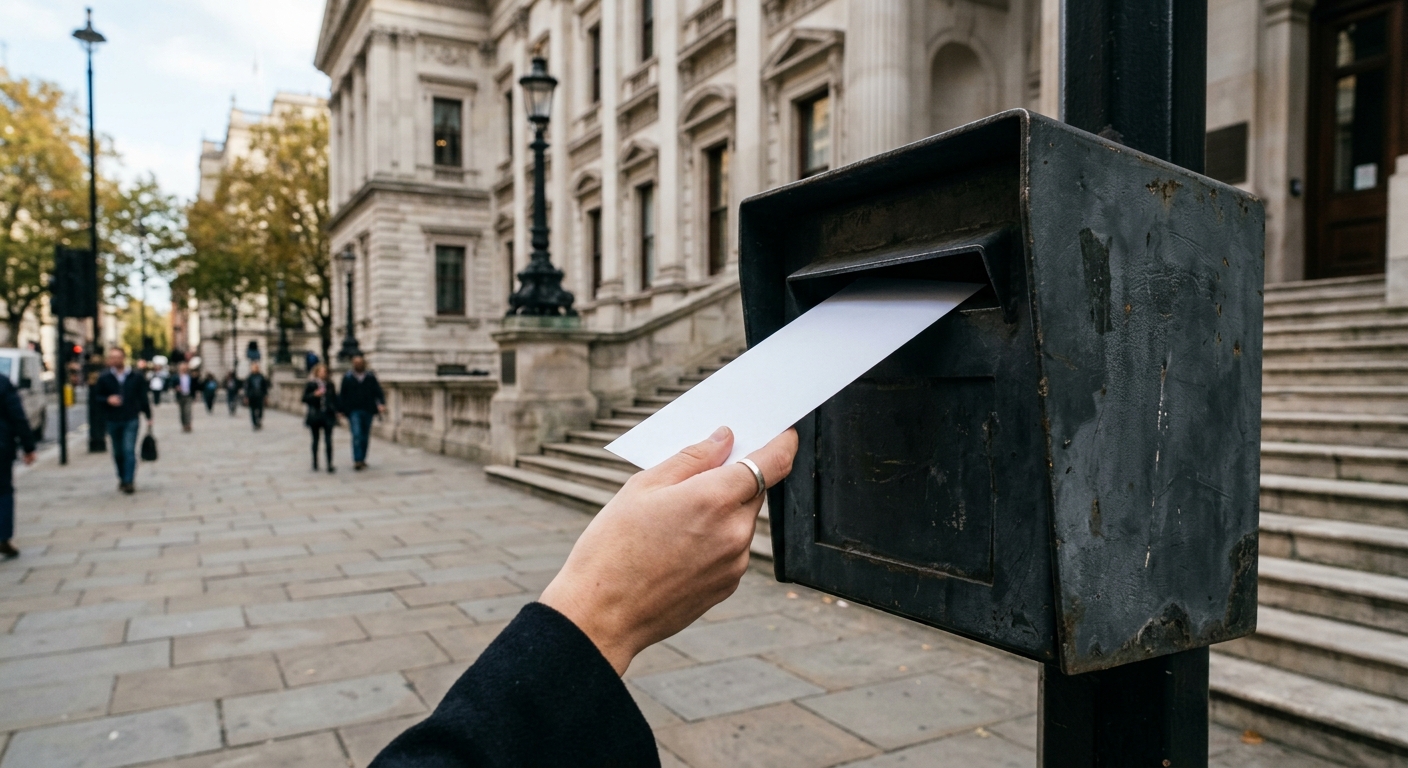
Bera opened the discussion by addressing the landmark Supreme Court ruling that will allow mail-in ballots to be received after Election Day. This decision has created fresh debate over california elections and the adaptability of the electoral system in Washington, D.C. and beyond. The congressman explained that the ruling offers crucial support for voting accessibility, ensuring that voters are not disenfranchised due to postal delays or unforeseen circumstances. “Reliable mail in voting is about fairness and participation,” Bera noted, echoing widespread calls for strengthening democratic processes.
Impacts on Voting Accessibility and Election Integrity
The Supreme Court ruling’s implications for the election process extend to concerns regarding election integrity. Bera was clear in articulating that robust vote by mail systems should be matched with rigorous security measures. Experts across Washington, D.C. remain divided, but local election officials have praised policies that expand access while maintaining safeguards against fraud. The congressman emphasized bipartisan efforts to balance broad participation with the need for credible results on and after election day.
Mail In Ballots and Changing Election Landscape
As mail in ballots become an increasingly dominant aspect of national and regional voting, Washington, D.C. voters have seen their role in elections transform. Mail in voting, initially driven by public health emergencies, has emerged as a long-term fixture reflecting changing civic expectations. According to Bera, integrating these tools within california elections frameworks supports consistent voter turnout, making the election process more inclusive. Regional advocates hope that further reforms will encourage sustained civic engagement among all eligible voters.
America’s 250th Birthday: Commemorating National Unity
Beyond electoral policy, the congressman discussed preparations for America’s birthday celebration, marking the nation’s 250th anniversary. Bera described America’s 250th birthday as a moment to reflect on the country’s history and look forward with a sense of unity. Across Washington, D.C., preparations for America’s birthday celebration are expected to feature local cultural institutions and community events, highlighting both national achievement and the region’s unique contributions to the American story.
Health Initiatives and the ‘Make America Healthy Again’ Movement
Congressman Bera further addressed the ongoing challenges and opportunities posed by the Make America Healthy movement. Highlighting public health achievements and persistent gaps, he emphasized the need for continued investment in federal and state health programs. Regional authorities in Washington, D.C. have echoed these concerns, focusing efforts on accessible care and active prevention measures as key priorities.
Looking Ahead for Washington, D.C. Voters
The discussion with Bera underscores how debates about mail in ballots, public health, and national celebrations are deeply intertwined with the everyday experiences of Washington, D.C. communities. As the region prepares for upcoming elections and America’s 250th birthday, leaders and local residents alike are considering ways to ensure voting accessibility, safeguard democratic norms, and commemorate shared history. The intersection of election integrity, health, and national identity remains a focal point for elected officials and constituents in the capital and across California.