- calendar_today August 13, 2025
Maruti Suzuki, India’s largest carmaker, said it is hiking prices by 4% on its vehicles from April. The firm attributes increasing production costs, worldwide supply chain issues, and inflation as the key drivers of the price increase. Although Maruti Suzuki does not sell vehicles directly in the United States, its international presence in the auto sector makes buyers of cars in Washington D.C. and throughout the nation experience the ripple effects through increased prices, shortages, and increased demand for used cars.
Why is Maruti Suzuki Increasing Prices?
A number of factors have prompted Maruti Suzuki to increase prices, such as:
- Raw material costs go up – Steel, aluminum, plastic, and other raw materials required by cars have seen enormous price increases with inflation and supply shortage.
- Increased shipping and logistics fees – Volatility of global fuel prices and supply chain disruptions have resulted in shipping cars and components at a higher expense.
- Currency exchange rates – Movements in the Indian rupee against the U.S. dollar and other major currencies influenced manufacturing costs.
- Government regulations – New emission standards and safety standards have contributed to the cost of production.
The price hike will be imposed on all variants of Maruti Suzuki, on budget vehicles as well as on luxury vehicles.
How Could This Affect Washington D.C.’s Auto Market?
Although Maruti Suzuki retails cars directly in the U.S., its price can also influence the automobile sector as a whole. People living in Washington can feel this impact indirectly through:
- Increased vehicle component prices – Most foreign automakers and even some American ones depend on components produced by firms that are aligned with Maruti Suzuki. Increased costs will translate to increased production of other brands.
- Competition-driven higher prices – As prices of living all over the world keep increasing, auto makers marketing cars in Washington D.C. might also be required to realign their pricing strategy to not lose profitability.
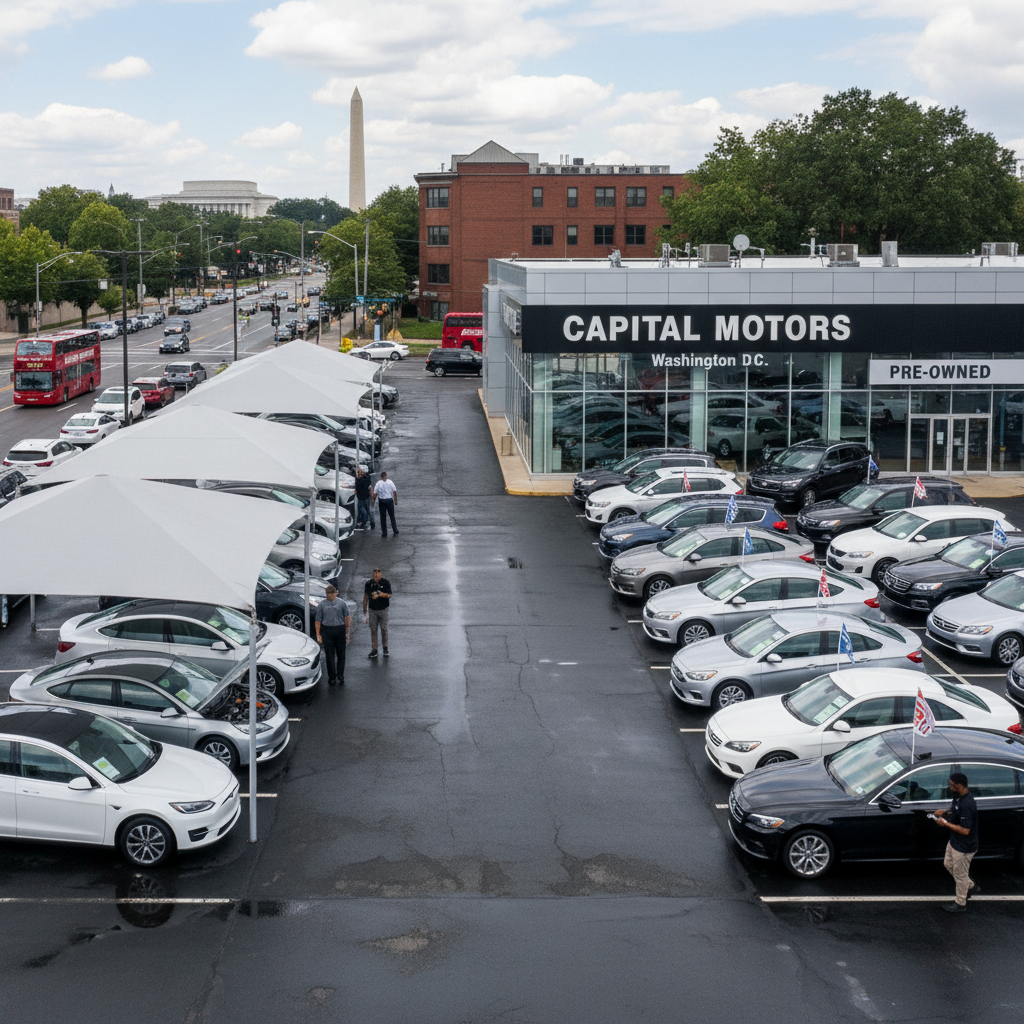
- Increased demand for used cars – As soon as the new car prices increase, most consumers shift towards the used car market, creating increased demand and increasing used car prices.
Possible slowdown in vehicle availability – Increased production costs and supply chain constraints may delay the availability of new vehicles in the region.
The Bigger Picture: Challenges Facing the Auto Industry
Maruti Suzuki’s price hike is part of a larger trend of rising vehicle costs across the global automotive sector. Several ongoing challenges continue to affect automakers and consumers alike:
- Chip shortages – Global semiconductor shortages have kept production in slow motion for the majority of carmakers, limiting vehicle supply and pushing prices upward.
- Supply chain disruptions – Continued impacts of the COVID-19 pandemic, geopolitical tensions, and shipping disruptions have increased the cost to produce and ship vehicles.
- Inflation and high interest rates – As loan prices increase, financing a vehicle costs more for consumers.
- Electric vehicle transition – Different automobile manufacturers are investing in electric vehicles (EVs), and the production cost of batteries is still expensive, hence the existence of more expensive models.
As long as these conditions are at work, Washington D.C. consumers can anticipate ongoing price swings in the auto market through 2025.
What Can Washington D.C. Consumers Do?
Because prices are increasing, Washington D.C. car shoppers can do a couple of things to ride out the market successfully:
- Compare prices with caution – Because new and used car prices change, consumers should compare multiple dealerships and internet sources to obtain the best prices.
- Take another look at alternative financing – Your local banks and credit unions could provide better terms than traditional automaker lenders.
- Purchase energy-efficient or electric cars – Even as gas prices also go up and down, an energy-efficient or EV option could prove less expensive in the long term.
- Negotiate whenever possible – Although auto prices are climbing, some lots might still cut a deal or provide incentives on older stock.
- Stay updated on market trends – Following industry news can help buyers time their purchases when prices are more favorable.
Conclusion
Maruti Suzuki’s 4% price hike reflects the growing economic challenges facing the global auto industry. While this increase may seem distant from the Washington D.C. market, its effects can still be felt through higher vehicle prices, increased costs for parts, and greater competition in the used car sector. With ongoing inflation and supply chain disruptions, consumers should remain cautious and strategic when purchasing vehicles in 2025.