- calendar_today August 31, 2025
What’s new with WhatsApp? It’s the first time in the service’s 13-year history that ads are coming to the app.
The company isn’t placing ads in the private chat spaces you share with friends. Instead, the company is launching them into the “Updates” tab. That’s where users post “Status” updates and subscribe to “Channels” for content about things like sports and celebrity gossip. Users will see ads in a different part of the app, so they don’t have to see ads in private chats. The company is also taking it slow, rolling out the new ad feature to some users first.
Meta, WhatsApp’s parent company, says 1.5 billion people use the Updates tab every day. It’s a massive potential audience for advertisers. If you only use WhatsApp for messaging, you may never see an ad. But if you often check the Updates tab for things like status updates or to follow channels, you may notice a change.
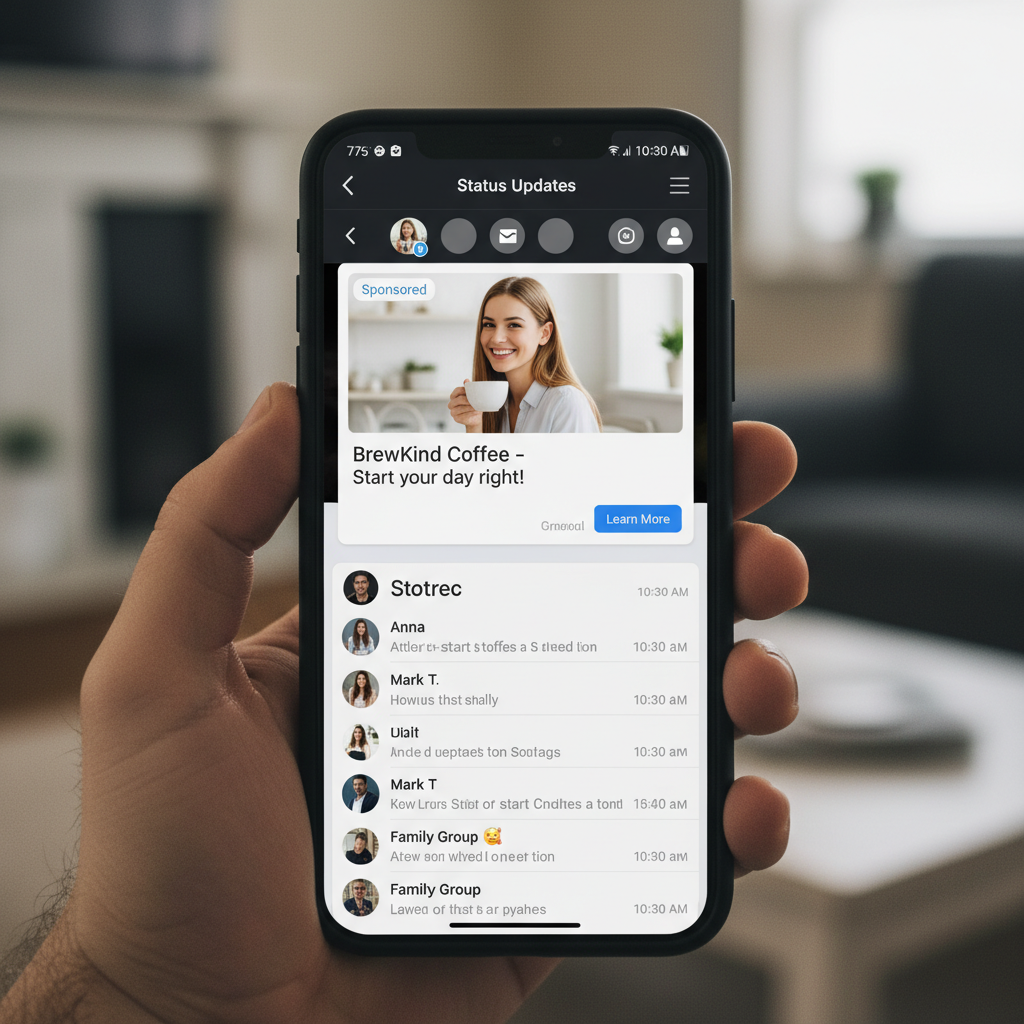
Status ads, which can appear as an ad alongside regular posts in the Status section. As users scroll through photo, video, or text updates from friends that disappear after 24 hours, they may come across a post from a brand. When users tap on it, they’ll see a conversation window where they can chat directly with the company.
Meta is also introducing a paid feature called Promoted Channels. It allows businesses to pay for additional exposure so more users see the content they post. For example, a channel admin can pay to show more content to more users. For creators and businesses, it’s a way to gain more followers within WhatsApp. Previously, it hasn’t been possible.
Lastly, the company is testing a subscription model for Channels. A channel owner can charge a monthly fee in exchange for exclusive content. For example, a user could pay to follow a cooking channel and get subscriber-only recipes and updates. It’s a new revenue stream for WhatsApp and a way for brands and influencers to monetize within the app.
So, how will privacy be protected? That’s what most users will want to know. After all, WhatsApp was built on privacy promises. Meta says it’s taking a cautious approach. Meta will use only general information for targeting — for example, your country code, device language, and age range. It won’t target you by exact location or any of your private information. Also, it’ll look at your engagement behavior with Channels and Status updates to determine what ads you see. For example, the type of content you subscribe to, how you interact with posts, and what ads you click on.
Another important thing to note is that all of your private messages are end-to-end encrypted. WhatsApp says it will never see your messages and use them to target you. And for those of you using other Meta products, there’s an optional feature called Accounts Center. If you connect your WhatsApp account to it, Meta can share cross-platform data to make your ads more personalized. This is turned off by default and can be removed at any time.
Users will also be able to access transparency tools to learn about and manage their ad experience. You’ll be able to see why a particular ad was shown, block certain advertisers, or report any ad you find offensive. The company is going the extra mile to make it as user-friendly — and as optional — as possible.
Meta’s real strategy here is bigger than just the in-app ads. WhatsApp, with over 2 billion users worldwide, hasn’t been as valuable to Meta’s massive ad empire. Most of WhatsApp’s revenue currently comes from its Business Platform, a paid service that lets businesses talk to customers, and “click-to-WhatsApp” ads on Facebook and Instagram. But that’s changing. Meta CEO Mark Zuckerberg has said that the Business Platform is becoming a growing revenue stream. Now, with the in-app ads, Meta is looking to grow even more.
WhatsApp’s VP of Product Alice Newton Rex says it “just felt like the next natural evolution.” Businesses have been asking for more ways to reach users inside the app, and this new ad system is Meta’s answer. Other social platforms like Reddit and Discord are also moving toward advertising models. The trend is clear. Privacy-first social apps are increasingly making room for ads — without losing the user base.
Meta bought WhatsApp for $16 billion in 2014. The app didn’t see the Meta touch for years. But with the ad business more important than ever — about 98 percent of Meta’s revenue comes from ads — WhatsApp was always going to be next. This is the start of a new era for the platform.
It may go unnoticed for many users. If you don’t use the Updates tab, you may not notice any change. But for WhatsApp and Meta, it’s a big deal. One that’s the result of economic pressure and a demand for growth from investors.